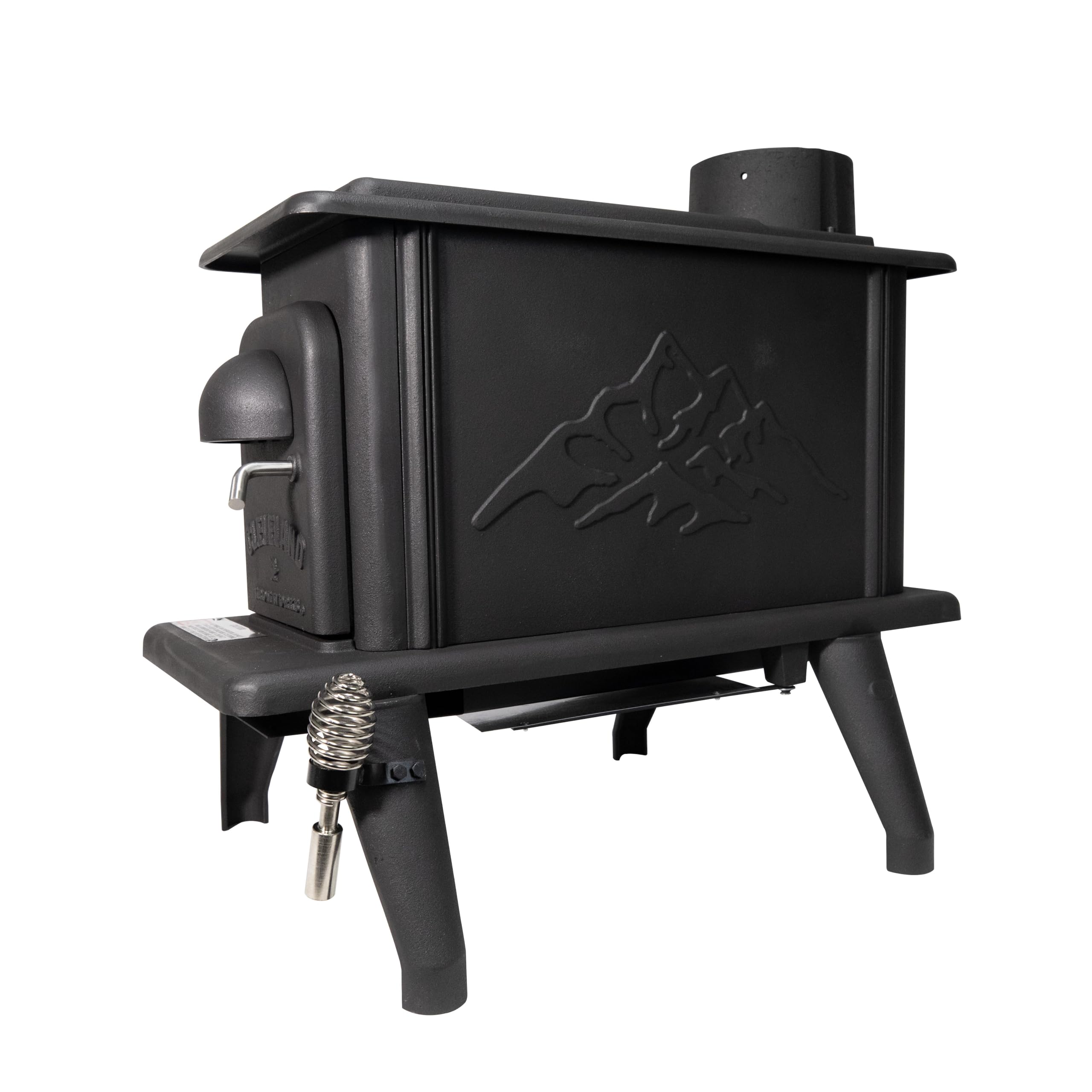
When shopping for stoves and fireplaces, it’s crucial to consider features like fuel type, efficiency, and installation requirements.
Choosing between different types of stoves and fireplaces can be a daunting task. With so many options available on the market today, from wood-burning stoves to electric heaters, making an informed decision is essential for both functionality and safety in your home environment. This article aims to guide you through some common pitfalls buyers face when selecting these appliances.
Why Choosing Stoves & Fireplaces Is Difficult
Selecting the right stove or fireplace involves weighing various factors such as fuel type (wood, gas, electric), efficiency ratings, installation requirements, and aesthetic preferences. Each option has its unique advantages and drawbacks that cater to different needs and living situations. For instance, while wood-burning stoves offer a traditional charm and high heat output, they require regular maintenance and proper ventilation.
Common Buyer Mistakes
One frequent mistake is overlooking the importance of efficiency ratings when choosing between gas or electric models versus their wood counterparts. Another common oversight involves not considering long-term costs associated with fuel consumption and upkeep. Additionally, buyers often underestimate space requirements for installation and chimney setup, leading to impractical choices that may hinder daily living.
Key Features Buyers Should Compare
When comparing stoves & fireplaces, focus on several critical aspects:
Fuel Type: Wood offers a classic ambiance but demands more maintenance compared to gas or electric alternatives.
Efficiency Ratings: Higher ratings mean better energy use and lower operating costs over time.
Installation Requirements: Some models need professional installation due to safety regulations concerning flues and chimneys.
Real-World Use Experience and Expectations
In practical terms, wood-burning stoves provide a cozy atmosphere but necessitate regular cleaning of ashes and soot. Electric or gas units might be easier to manage day-to-day yet lack the rustic appeal that some homeowners seek in their living spaces. Understanding these nuances helps set realistic expectations before making your purchase.
Where This Product Fits (Strengths & Weaknesses)
A wood-burning stove like the Cleveland Iron Works Single Burn Rate Erie Wood Stove excels at providing warmth and a traditional look but struggles with ease of use compared to modern electric or gas models. Its strengths lie in its robust heating capabilities and aesthetic value, while weaknesses include higher maintenance needs and potential environmental concerns.
Who Should Avoid This Product
This stove is not ideal for urban apartments lacking proper ventilation systems or those seeking low-maintenance solutions due to the ongoing need for wood supply and cleaning tasks involved with a traditional wood-burning unit. Individuals living in areas prone to air quality restrictions might also find this option less suitable.
Comparison With Alternative Options in the Same Category
When compared against other options, such as electric space heaters or gas fireplaces, the Cleveland Iron Works stove stands out for its authentic heating experience but falls short on convenience and ease of use. Electric models offer simplicity and portability without requiring extensive setup, whereas gas units provide a balance between traditional warmth and modern functionality.
Maintenance and Long-Term Considerations
Regular maintenance is crucial to ensure optimal performance and safety with wood-burning stoves. This includes cleaning the flue regularly to prevent creosote buildup and checking for any signs of wear or damage that could compromise structural integrity over time. Investing in quality materials upfront can also help reduce long-term costs associated with repairs.
Frequently Asked Questions
How Do I Know If a Wood-Burning Stove Is Right For Me?
Consider your living situation, available space, and willingness to manage ongoing maintenance tasks before deciding if a wood-burning stove suits your needs. Assess whether you have adequate ventilation and storage for fuel supplies as well.
What Are the Long-Term Costs Associated With Owning This Type of Appliance?
Long-term costs include expenses related to purchasing firewood regularly, potential chimney cleaning fees annually, and any necessary repairs or replacements over time due to wear and tear.
Is It Worth Investing in a High-Efficiency Model Over Traditional Options?
High-efficiency models generally cost more initially but save money on fuel consumption long term. They also contribute less pollution compared to older designs, making them an environmentally friendly choice despite the upfront investment.
Final Neutral Thoughts
Ultimately, choosing between stoves & fireplaces depends heavily on individual preferences and practical considerations within your home environment. While wood-burning units like the Cleveland Iron Works model offer unique benefits in terms of warmth and aesthetics, they come with specific challenges that must be carefully evaluated before committing to a purchase decision.