When shopping for a new range hood, understanding key features and avoiding common mistakes can help you find the best fit for your kitchen needs.
Choosing the right type of range hood is no small task. With numerous models available in various styles and functionalities, it’s easy to get overwhelmed by options like vented hoods or ductless units. Each has its own set of advantages and drawbacks that cater to different cooking habits and kitchen layouts. This article aims to guide you through the process with a focus on making an informed decision.
Why Choosing Range Hoods is Difficult
The range hood market offers a wide variety of models, each designed for specific needs such as high-heat cooking or low-maintenance living. Factors like installation type (ducted vs. ductless), noise level, and filtration efficiency can significantly impact your choice. Understanding these nuances requires careful consideration.
Common Buyer Mistakes to Avoid
One common mistake is overlooking the importance of CFM ratings in relation to stove size. Another frequent error involves choosing a range hood based solely on aesthetics without considering its performance capabilities. Buyers also often fail to account for long-term maintenance and energy efficiency, which can lead to higher costs over time.
Key Features Buyers Should Compare
When shopping for a new range hood, it’s crucial to compare features such as CFM (cubic feet per minute) capacity, noise level in sones, lighting options, filter type, and ease of installation. These factors directly influence the effectiveness and convenience of your cooking experience.
CFM Capacity
The higher the CFM rating, the more powerful the ventilation system is at removing smoke, steam, grease, and odors from your kitchen air. However, a high CFM doesn’t always mean better performance if it’s not matched with proper ducting or fan quality.
Noise Level (Sones)
Range hoods can be quite noisy during operation, especially on higher settings. The sone rating indicates how loud the hood is compared to other appliances and helps in choosing quieter models for a more pleasant cooking environment.
Real-World Use Experience and Expectations
In real-world scenarios, range hoods play a crucial role not just in ventilation but also in enhancing kitchen aesthetics and functionality. A well-chosen model can improve air quality during intense cooking sessions while adding to the overall look of your kitchen space. However, it’s important to set realistic expectations regarding performance based on actual usage patterns.
Where This Product Fits (Strengths & Weaknesses)
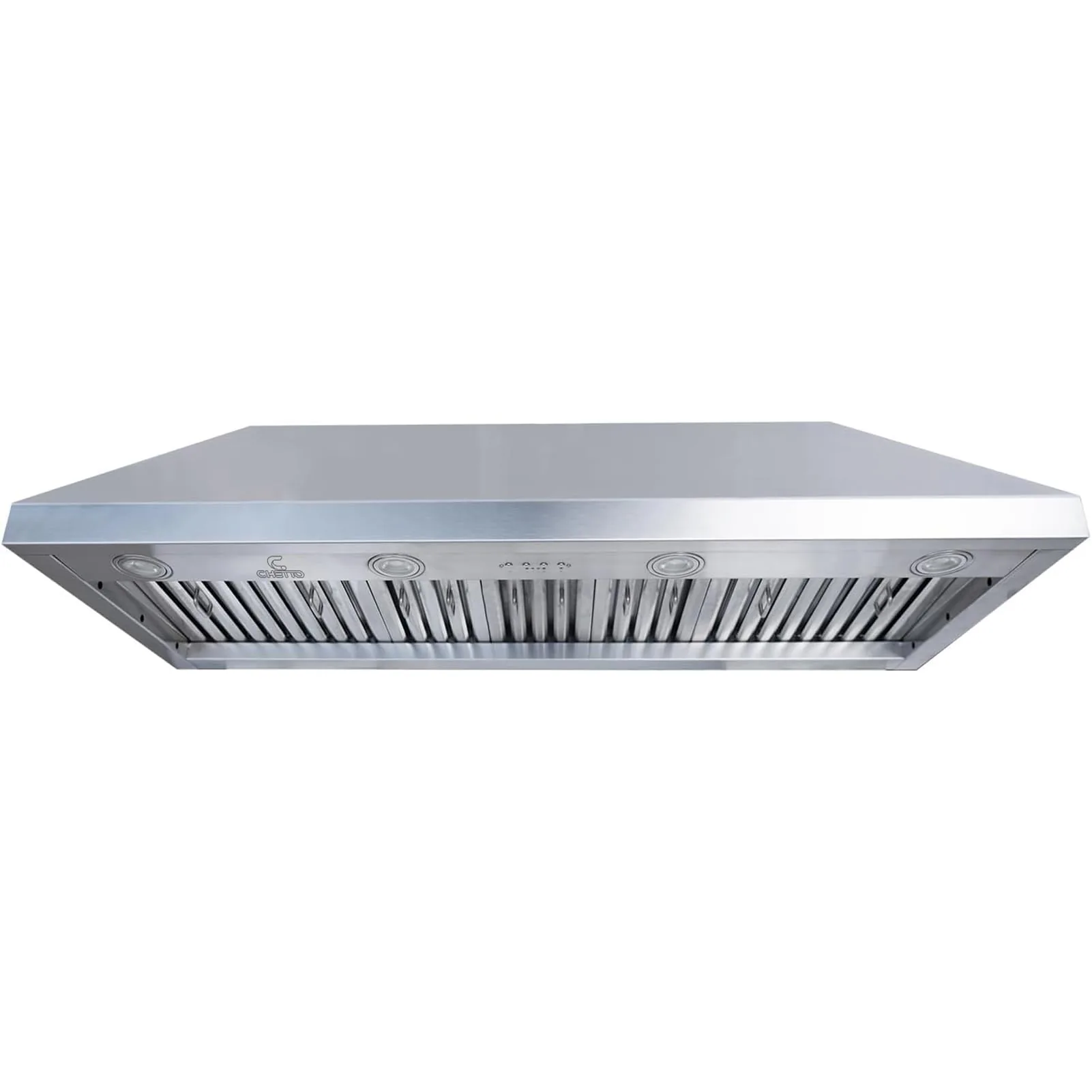
The CHETTO C 48-inch range hood is a prime example that showcases both strengths and weaknesses typical in this category. Its high CFM rating of 1150 makes it suitable for large kitchens with powerful stoves, ensuring efficient air circulation during heavy cooking sessions. The inclusion of LED lights adds to its modern appeal while providing bright illumination over the cooktop.
However, one potential drawback is that ducted installation might be necessary depending on your kitchen layout and local building codes, which could add complexity and cost to the setup process. Additionally, maintaining filters regularly can be time-consuming but essential for optimal performance.
Who Should Avoid This Product
This range hood may not suit everyone’s needs equally well. Homeowners with smaller kitchens or those who prefer low-maintenance appliances might find alternatives more fitting due to space constraints and ease-of-use considerations respectively.
Smaller Kitchens
For compact kitchen spaces, a larger vent hood like the CHETTO C could be overkill in terms of size and functionality requirements.
Comparison With Alternative Options
When comparing range hoods within similar price ranges and features, consider models from brands such as Broan or Whirlpool. These alternatives might offer comparable CFM ratings but differ slightly in noise levels, lighting options, or filter types. Evaluating these differences helps narrow down the best option based on personal preferences.
Maintenance and Long-Term Considerations
Regular maintenance is key to keeping your range hood running efficiently over time. This includes cleaning filters regularly according to manufacturer guidelines and checking for any signs of wear that might affect performance. Investing in quality parts can extend the lifespan of your appliance, making it a worthwhile long-term investment despite initial costs.
Cleaning Filters
Filters need periodic washing or replacement depending on usage frequency and type (e.g., baffle vs. disposable). Neglecting this step reduces efficiency and increases energy consumption.
Frequently Asked Questions
How Do I Choose Between Ducted and Ductless Range Hoods?
Choosing between ducted and ductless range hoods depends largely on your kitchen’s layout, local building codes, and personal preference regarding noise levels. Ducted models are generally more powerful but require proper installation; ductless units offer flexibility in placement at the cost of slightly reduced efficiency.
What Are Some Key Considerations When Buying a Range Hood?
Key considerations include CFM capacity relative to stove size, noise level (sone rating), lighting options for visibility during cooking, and ease of maintenance. Balancing these factors ensures you get an appliance that meets both functional needs and aesthetic preferences.
Is It Worth Investing in High-Quality Filters for My Range Hood?
High-quality filters can enhance the longevity and performance of your range hood by reducing grease buildup more effectively than cheaper alternatives. While they may cost more upfront, their durability often justifies the investment over time through better efficiency and reduced maintenance needs.
Final Neutral Thoughts
Selecting a suitable range hood involves weighing multiple factors to find an appliance that aligns with both practical requirements and personal tastes. By understanding key features, avoiding common pitfalls, and considering long-term implications, you can make an informed decision tailored specifically for your kitchen environment.