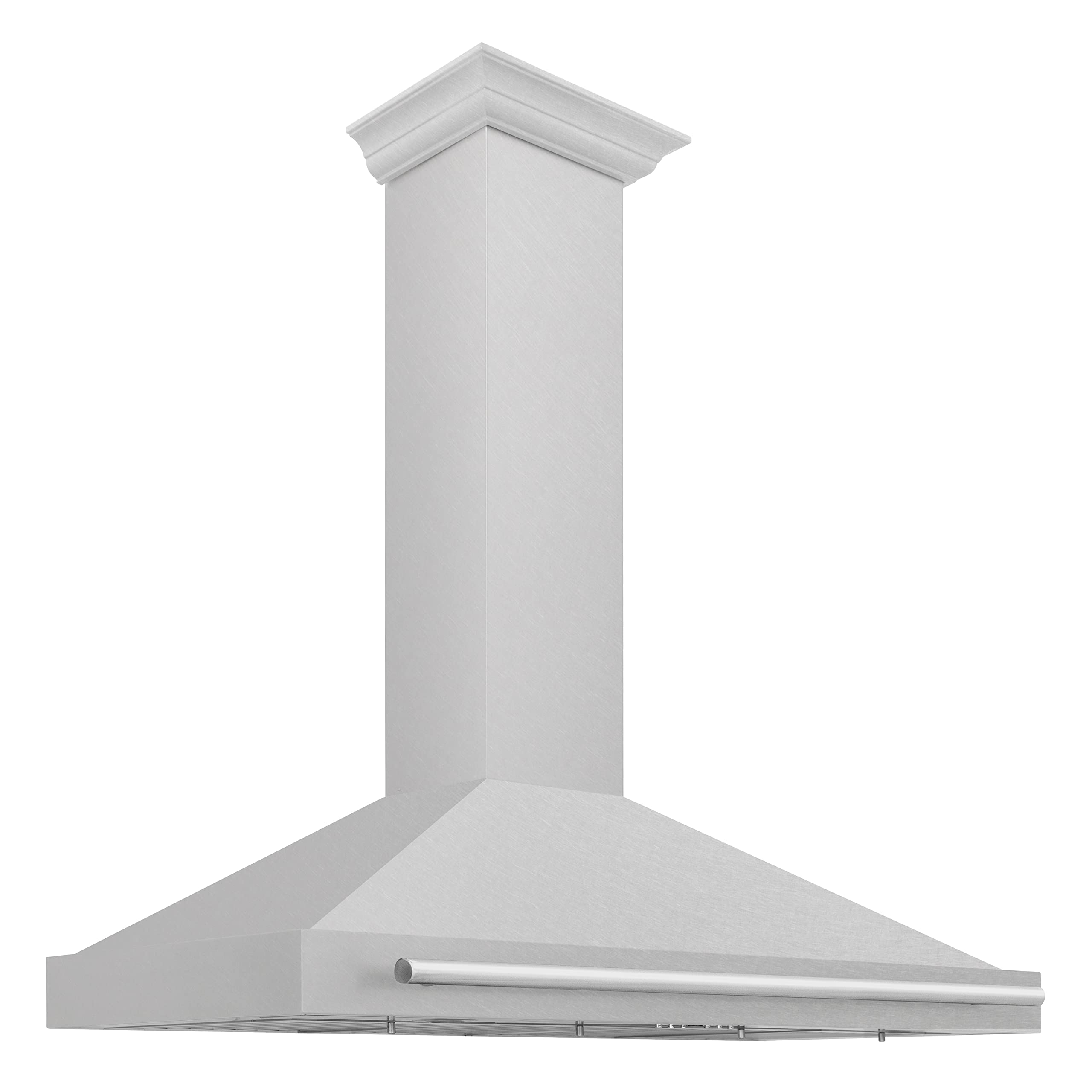
An independent Range Hoods buying guide covering features, pros and cons, and who should consider ZLINE 48" Fingerprint Resistant Stainless Steel Range Hood..
Choosing the right type of range hood is a critical but often overlooked aspect of kitchen design. With numerous options available in terms of size, style, and functionality, it’s easy to feel overwhelmed by the choices. This article aims to guide you through the process with insights on common pitfalls, essential features to consider, real-world performance expectations, and comparisons with alternative solutions.
Why Choosing this Type of Range Hoods is Difficult
Selecting a range hood involves balancing aesthetics with functionality. You need to decide between island hoods, wall-mounted models, or downdraft systems based on your kitchen layout and ventilation needs. Each type has its own set of advantages and disadvantages that can impact both the cooking experience and overall home decor.
Common Buyer Mistakes
One common mistake is focusing solely on style over performance. While a sleek design might enhance your kitchen’s appearance, it’s crucial to ensure that any range hood you choose effectively removes smoke, steam, grease, and odors from your cooking area. Another frequent error is not considering the installation requirements or compatibility with existing cabinetry.
Key Features Buyers Should Compare
When evaluating different models of range hoods, pay attention to features such as CFM (cubic feet per minute) rating for air extraction efficiency, noise level during operation, and filtration system types like charcoal filters versus washable metal mesh. Additionally, look at the lighting options—LED or halogen—and any special functions like heat sensors that adjust fan speed automatically.
Real-World Use Experience and Expectations
In practical use, a range hood should provide immediate relief from cooking fumes without being too loud to disrupt conversation. The filtration system must be easy to clean and maintain for long-term effectiveness against grease buildup. Users often appreciate the convenience of remote controls or touchpad interfaces but may find them less essential than reliable performance.
Where This Product Fits (Strengths & Weaknesses)
A range hood like the ZLINE 48" model excels in large kitchens where powerful ventilation is necessary, offering a fingerprint-resistant finish that stays clean longer. However, its size might be impractical for smaller spaces or those with limited overhead clearance. The stainless steel handle adds durability but could show fingerprints more readily than matte finishes.
Who Should Avoid This Product
Homeowners with tight kitchen layouts or low ceilings should consider alternative range hood types such as under-cabinet models instead of the larger island hoods like ZLINE’s 48-inch option, which require ample clearance above stoves and countertops for proper installation and operation.
Comparison With Alternative Options in the Same Category
Compared to other high-end brands offering similar features at comparable prices, this model might stand out due to its fingerprint-resistant design or specific noise reduction technologies. However, it’s important to weigh these benefits against potential drawbacks such as higher maintenance requirements compared to simpler designs from competitors.
Maintenance and Long-Term Considerations
Regular cleaning of filters is essential for maintaining optimal performance over time. Some range hoods come with self-cleaning features that simplify this process but may still require periodic manual checks. Considering the longevity and durability of materials used in construction can also influence long-term satisfaction with your purchase decision.
How Often Should I Clean My Range Hood Filters?
Regular cleaning every 1-3 months depending on usage frequency helps maintain efficiency by preventing clogs from grease buildup, ensuring proper air flow through the hood’s exhaust system.
Is It Worth Investing In a High-CFM Range Hood for Small Kitchens?
While high CFM ratings are beneficial in large kitchens with powerful cooking appliances, smaller spaces often benefit more from quieter operation and aesthetic integration rather than sheer power. A lower CFM model can still provide adequate ventilation if properly sized to the cooktop.
What Are Some Tips For Choosing Between Wall-Mounted vs Island Range Hoods?
Consider your kitchen layout when deciding between wall-mounted or island hoods; islands offer better coverage for larger cooking areas but require more clearance, while wall models are easier to install in tighter spaces and can be just as effective if sized correctly.
Final Neutral Thoughts
Selecting the right range hood involves careful consideration of both practical needs and aesthetic preferences. By avoiding common pitfalls like prioritizing style over function or overlooking installation requirements, you increase your chances of finding a model that enhances both performance and appearance in your kitchen setting.