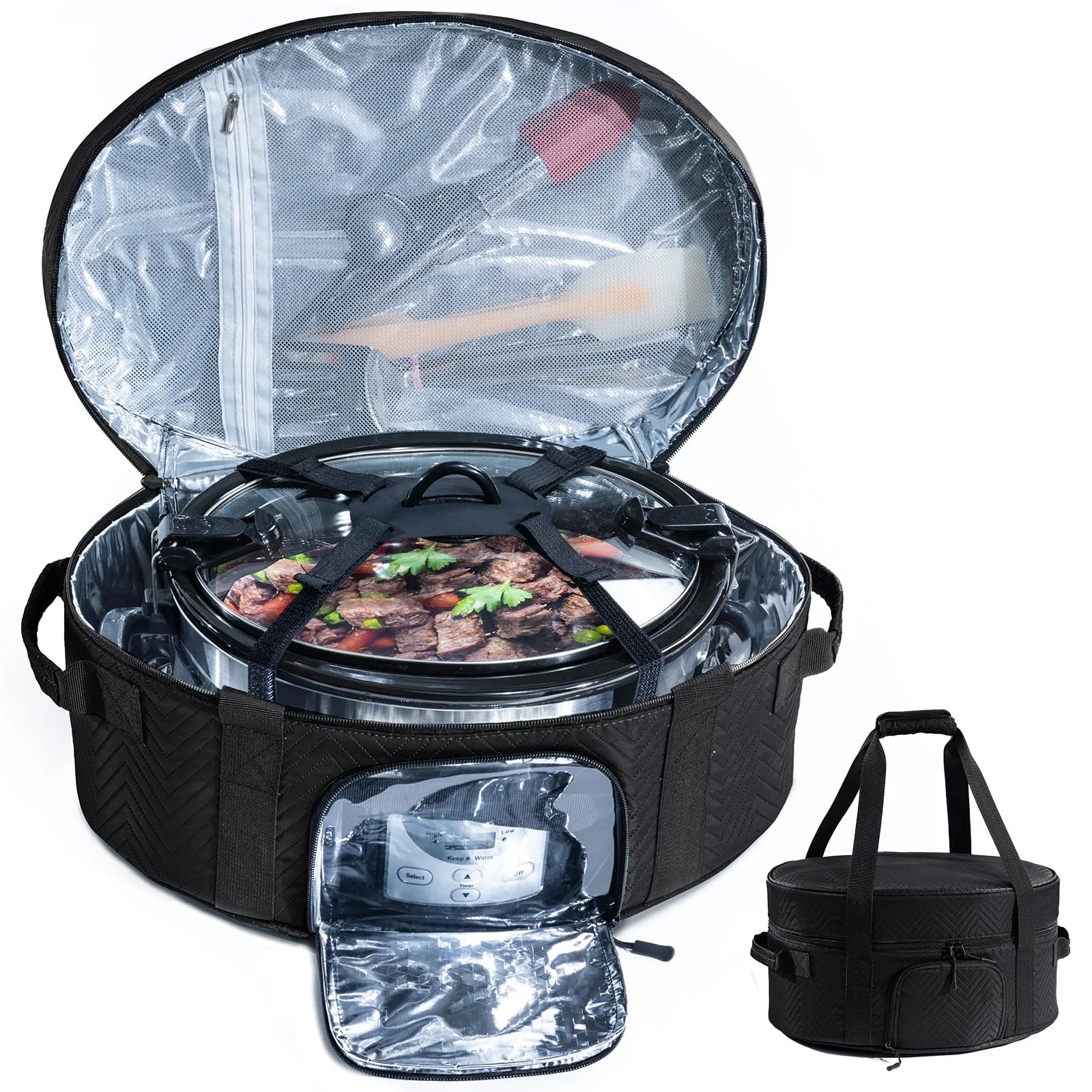
Navigating the slow cooker market can be daunting due to numerous options; understanding key features helps buyers make informed decisions.
Choosing the right type of slow cookers is a challenge faced by many home cooks and meal preparers. The variety in sizes, materials, and functionalities can easily overwhelm even seasoned kitchen enthusiasts. Each model promises convenience and ease but comes with its own set of trade-offs that might not suit everyone’s needs perfectly. Understanding these nuances is crucial to making an informed decision.
Why Choosing This Type of Slow Cooker Is Difficult
The market for slow cookers is saturated, offering a wide range of options from basic models to advanced smart appliances. Each type has unique features and benefits, such as programmability, material quality (ceramic vs stainless steel), and additional functions like sauté or keep-warm settings. This diversity makes it challenging to pinpoint the best fit without thorough research.
Common Buyer Mistakes
One common mistake is focusing solely on price rather than functionality and durability. Another frequent error is overlooking compatibility with other kitchen tools, such as mixing bowls that might need to be used alongside a slow cooker for meal prep. It’s also important not to underestimate the importance of size; choosing too small or large a model can hinder cooking efficiency.
Key Features Buyers Should Compare
When shopping for a new slow cooker, it’s essential to compare features like capacity (ranging from 3-quart mini models up to 8-quart giants), heating settings (low and high are standard but some offer more options), material quality, and programmability. Additionally, consider the presence of safety locks or automatic shut-off functions for added peace of mind.
Real-World Use Experience and Expectations
In practical use, slow cookers excel at tenderizing tough cuts of meat and blending flavors over long cooking periods without constant supervision. However, they are less effective when it comes to quick meals or dishes requiring precise temperature control. Users should set realistic expectations based on the appliance’s capabilities.
Where This Product Fits (Strengths & Weaknesses)
A slow cooker is ideal for busy individuals looking to prepare healthy, hearty meals in advance and let them cook slowly throughout the day without worrying about burning food. Its strengths lie in its ability to maintain consistent heat levels over extended periods, which enhances flavor development. However, it’s less suitable for those who need rapid cooking times or prefer more hands-on control during meal preparation.
Who Should Avoid This Product
Individuals with limited kitchen space might find a large slow cooker cumbersome and impractical. Similarly, people looking to cook quick meals like stir-fries or sautéed dishes would benefit from other appliances better suited for these tasks.
Comparison With Alternative Options in the Same Category
While slow cookers are great for long-cooking recipes, pressure cookers offer faster cooking times but lack the gentle simmering that enhances flavors. Air fryers provide quick and crispy results ideal for snacks or small portions but cannot handle large quantities like a slow cooker can. Understanding these differences helps buyers choose based on their specific needs.
Maintenance and Long-Term Considerations
Regular cleaning is crucial to maintain hygiene standards, especially around the heating elements where food residues might accumulate over time. Investing in durable materials such as ceramic interiors ensures longevity despite frequent use. Considering long-term maintenance costs alongside initial investment can help make a more sustainable choice.
How often should I clean my slow cooker?
Cleaning your slow cooker after each use is recommended to prevent bacterial growth and maintain its performance. However, the frequency depends on how frequently you cook with it; daily users might need to wash their appliance more regularly than those who only occasionally prepare meals in them.
Is a programmable feature worth having for a busy lifestyle?
For individuals juggling multiple responsibilities, a programmable slow cooker can be invaluable as it allows setting cooking times ahead of schedule. This convenience ensures that food is ready when needed without constant monitoring, making meal preparation more efficient and stress-free.
Which material lasts longer: ceramic or stainless steel?
Both materials have their merits regarding durability; however, ceramic interiors tend to last longer due to resistance against scratches and chips compared to stainless steel surfaces which can show wear over time. Ultimately, the choice depends on personal preference for aesthetics versus longevity.
Final Neutral Thoughts
In conclusion, selecting a slow cooker involves weighing various factors such as intended use frequency, available kitchen space, desired features, and maintenance requirements. By understanding these aspects thoroughly before making a purchase decision, buyers are better equipped to find an appliance that aligns with their lifestyle needs without unnecessary compromises.