Choosing the right computer monitor involves understanding your needs and comparing features like resolution, size, connectivity options, and more.
Choosing the right computer monitors can be a daunting task due to the wide range of models available in various sizes, resolutions, and price points. With so many factors to consider, it’s easy for buyers to get overwhelmed or make costly mistakes that don’t align with their specific requirements. This article aims to guide you through the process by highlighting common pitfalls and essential features to look out for.
Why Choosing a Computer Monitor is Difficult
Selecting an appropriate computer monitor involves balancing multiple factors such as screen size, resolution, refresh rate, connectivity options, and budget constraints. Each of these elements plays a crucial role in determining how well the monitor will suit your needs whether you’re working from home or gaming.
Common Buyer Mistakes to Avoid
One common mistake is focusing solely on price without considering other important features like color accuracy or ergonomic design. Another pitfall is overlooking compatibility issues with existing hardware, such as limited connectivity options that might not support all devices in use.
Key Features Buyers Should Compare
When shopping for a new computer monitor, it’s essential to compare key features including screen size and resolution, panel type (IPS vs TN), refresh rate, brightness levels, input ports, and ergonomic design elements like stand adjustability. These factors significantly impact both functionality and user experience.
Screen Size and Resolution
The optimal combination depends on your intended use case—larger screens offer more real estate for multitasking but may not be ideal in compact spaces or as secondary displays.
Panel Type (IPS vs TN)
IPS panels provide better viewing angles and color accuracy, making them suitable for graphic design work. In contrast, TN panels are faster with higher refresh rates, catering to gamers who prioritize speed over image quality.
Real-World Use Experience and Expectations
In real-world scenarios, a computer monitor should meet your daily needs without compromising on performance or comfort. For instance, if you frequently switch between multiple applications, having enough screen space becomes crucial for productivity. Similarly, gaming enthusiasts might prefer monitors with higher refresh rates to ensure smooth gameplay.
Where This Product Fits (Strengths & Weaknesses)
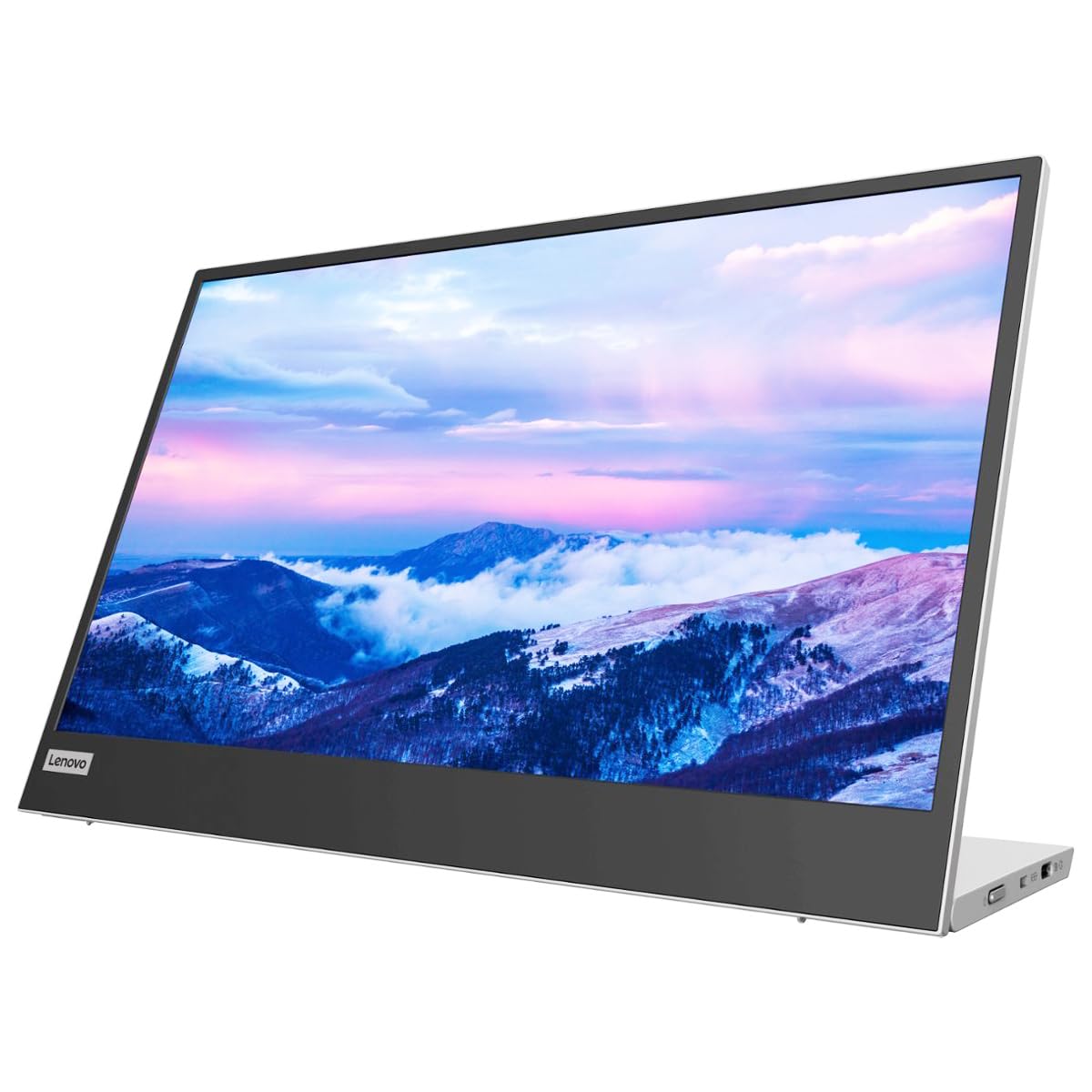
The Lenovo L15 Portable Monitor exemplifies a portable solution designed primarily for professionals on the go who require high-resolution visuals and flexibility in setup environments. Its strengths lie in its portability, Full HD resolution, USB-C connectivity, and height-adjustable stand which enhances ergonomics.
However, it may not be ideal for those seeking advanced gaming features such as higher refresh rates or extensive color calibration options typically found in dedicated monitors designed specifically for these purposes.
Who Should Avoid This Product
While the Lenovo L15 Portable Monitor offers versatility and convenience, it might not cater to users who prioritize high-end gaming performance over portability. Gamers looking for ultra-fast response times would likely find better alternatives tailored towards their specific requirements.
Comparison with Alternative Options in the Same Category
When comparing similar products within this category, consider monitors like Dell’s UltraSharp series or Samsung’s Space Monitor range. These competitors often offer comparable features but may differ significantly in terms of price point and additional functionalities such as built-in KVM switches for multi-device setups.
Maintenance and Long-Term Considerations
Maintaining a computer monitor involves regular cleaning with appropriate solutions, avoiding direct sunlight exposure to prevent color degradation over time, and ensuring proper ventilation to prolong hardware lifespan. Additionally, investing in protective screen guards can safeguard against accidental damage from scratches or spills.
FAQ
How do I choose between different types of computer monitors?
Choosing the right type depends on your specific needs—consider factors like intended use (work vs gaming), required resolution and refresh rate, as well as ergonomic features that enhance comfort during extended periods of use.
What are some common mistakes to avoid when buying a monitor?
Common pitfalls include focusing too much on price at the expense of quality features or overlooking compatibility issues with existing hardware. It’s also important not to underestimate the importance of ergonomics for long-term user satisfaction and health benefits.
Is it worth investing in an expensive computer monitor if I’m just starting out as a graphic designer?
While entry-level monitors can suffice initially, investing in higher-quality models that offer better color accuracy and viewing angles could significantly improve your workflow efficiency and output quality over time.
Final Neutral Thoughts
Ultimately, the decision to purchase any particular computer monitor should be based on how well it meets your specific needs rather than being influenced by marketing hype or trends. By carefully evaluating key features and considering real-world applications, you can make an informed choice that enhances both productivity and enjoyment in daily use.