Choosing a digital cooker involves understanding key features and trade-offs; this guide helps navigate through common mistakes and considerations.
Choosing the right type of cooker can be overwhelming, especially with so many options available in today’s market. Each model promises unique benefits like preset cooking modes or advanced technology to simplify meal preparation. However, not all cookers are created equal, and understanding what you need before making a purchase is crucial for avoiding buyer’s remorse.
Why Choosing This Type of Cooker Is Difficult
The primary challenge lies in balancing your kitchen needs with the features offered by digital cookers. For instance, some models may excel at cooking rice but fall short when it comes to other grains or dishes like oatmeal and quinoa. Additionally, factors such as capacity, ease of cleaning, energy efficiency, and maintenance requirements can significantly impact user satisfaction.
Common Buyer Mistakes
One common mistake is focusing solely on price without considering long-term usability and durability. Another pitfall is overlooking the importance of material quality; for example, a nonstick ceramic pot may be more durable than traditional Teflon coatings but might cost more upfront. Lastly, buyers often underestimate the value of advanced features like fuzzy logic technology or preset cooking modes that can enhance both convenience and food quality.
Key Features Buyers Should Compare
When shopping for a digital cooker, it’s essential to compare several key aspects:
Capacity: Ensure the cooker fits your household size.
Material Quality: Look for durable materials such as ceramic pots over Teflon coatings.
Advanced Technology: Consider features like fuzzy logic and preset cooking modes that can improve performance.
Ease of Cleaning & Maintenance: Opt for models with removable, dishwasher-safe parts.
Real-World Use Experience and Expectations
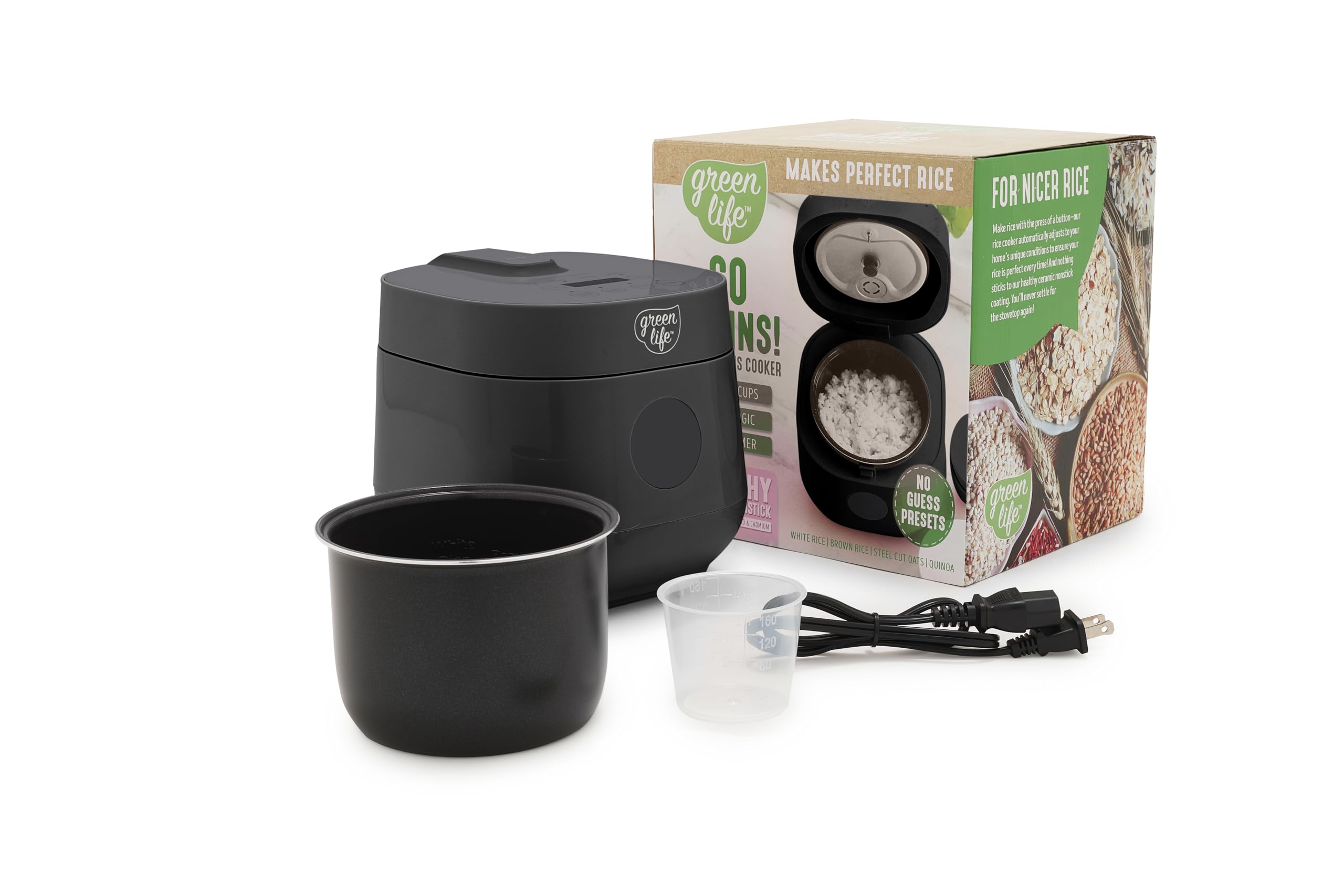
In real-world use, digital cookers equipped with advanced technology tend to perform better in terms of consistency and ease. For instance, a cooker like the GreenLife Digital Rice Cooker offers preset modes specifically designed for different types of grains such as brown rice or quinoa, which can significantly simplify meal preparation.
However, it’s important not to expect miracles from any single model. While these cookers are generally user-friendly and efficient, they still require proper care and occasional troubleshooting when issues arise.
Where This Product Fits (Strengths & Weaknesses)
Strengths
Versatility: Offers multiple preset cooking modes for various grains.
Ease of Use: Simple to operate with clear instructions and intuitive controls.
Durability: Features a removable, nonstick ceramic pot that is easy to clean.
Weaknesses
Limited Capacity: May not be suitable for large families or those who frequently cook in bulk.
Higher Price Point: Advanced features often come at a higher cost compared to basic models.
Who Should Avoid This Product
Digital rice cookers like the GreenLife model are best suited for individuals and small households looking for convenience and quality. However, larger families or those prioritizing budget over advanced features might find other options more practical.
Comparison with Alternative Options in the Same Category
When comparing digital rice cookers to traditional models, consider factors such as ease of use versus manual control, energy efficiency, and long-term durability. For instance, while a basic cooker may be cheaper upfront, it could lack essential features that enhance both cooking quality and user experience.
Maintenance and Long-Term Considerations
Regular maintenance is key for extending the life of your digital cooker. This includes cleaning removable parts thoroughly after each use and avoiding harsh chemicals or abrasive scrubbers to prevent damage. Additionally, paying attention to manufacturer guidelines regarding storage and care can significantly impact longevity.
### Is It Worth Investing in a Digital Cooker with Advanced Features?
Yes, if you prioritize convenience and quality over budget constraints. However, ensure the benefits align closely with your specific needs before making an investment.
### How Do I Choose Between Different Brands of Rice Cookers?
Consider comparing key features such as capacity, material quality, technology level, ease of cleaning, and customer reviews to find a model that best suits your requirements.
### What Are Some Common Issues With Digital Rice Cookers?
Common issues include difficulty in maintaining consistent cooking results without proper care or troubleshooting basic operational problems like incorrect water levels or power outages during the cooking process.
Final Neutral Thoughts
In conclusion, choosing the right digital cooker involves careful consideration of both personal needs and technical specifications. While advanced models offer numerous benefits, they may not be ideal for everyone due to cost and capacity limitations. By understanding these factors thoroughly before making a purchase decision, you can ensure that your chosen model meets all your kitchen requirements effectively.