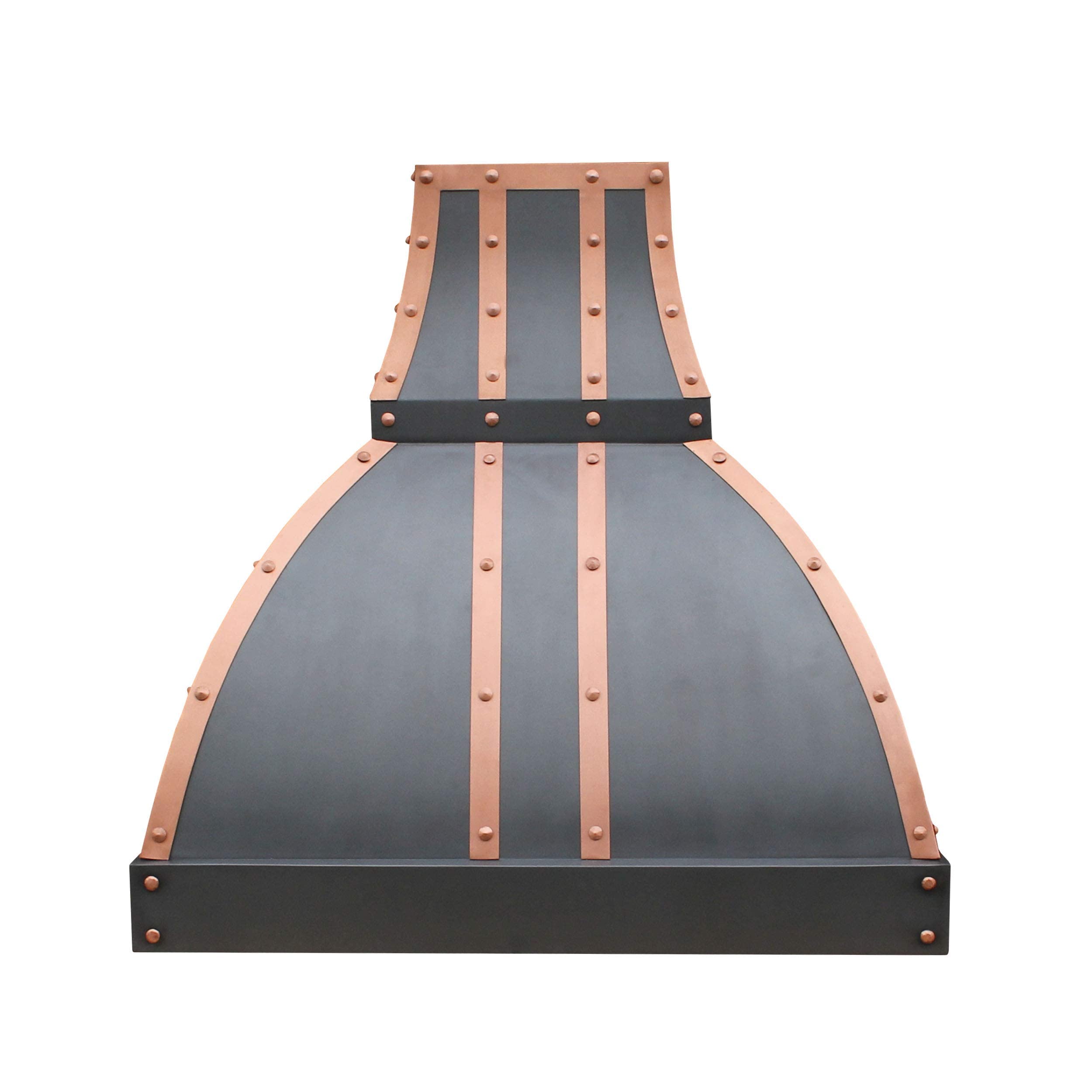
Choosing the right range hood involves understanding your kitchen’s needs and avoiding common mistakes; here’s a guide on key features, real-world use.
Choosing the right range hood is no small task. With so many options available in various styles, materials, and functionalities, it can be overwhelming to decide which one suits your kitchen best. This article aims to help you navigate through the complexities of selecting a suitable range hood by highlighting common pitfalls buyers often encounter, key features to consider when making comparisons, real-world expectations for performance, and maintenance tips.
Why Choosing Range Hoods is Difficult
The primary challenge in choosing range hoods lies in balancing aesthetics with functionality. While some homeowners prioritize style over practicality, others focus on the efficiency of ventilation systems. This dichotomy makes it hard to find a model that satisfies both criteria without compromising one for the other. Additionally, understanding technical specifications like CFM (Cubic Feet per Minute) and noise levels can be daunting.
Common Buyer Mistakes
One frequent mistake is overlooking the importance of proper installation. A range hood must fit correctly above your stove or cooktop to ensure optimal performance in removing smoke, grease, and cooking odors effectively. Another common error is not considering long-term maintenance costs associated with cleaning filters regularly and replacing parts as needed.
Key Features Buyers Should Compare
When comparing different models, focus on essential features such as the CFM rating, noise level (Sone), lighting options, filter type, and ease of installation/maintenance. These factors directly impact how well a range hood performs its primary function—ventilating your kitchen air—and maintaining hygiene standards.
Real-World Use Experience and Expectations
In practical use, an effective range hood should provide immediate relief from cooking fumes without being too noisy or intrusive in appearance. It must also be easy to clean so that it continues functioning efficiently over time. Buyers often expect their investment to enhance both the safety and ambiance of their kitchen space.
Where This Product Fits (Strengths & Weaknesses)
The SINDA Handmade Copper Range Hood Cover offers a blend of elegance and durability, making it ideal for homeowners who value premium materials and craftsmanship in their home appliances. Its commercial-grade stainless steel vent ensures robust performance even under heavy use conditions. However, its high price point may be prohibitive for those on tighter budgets.
Strengths:
Aesthetic Appeal: Handmade copper design adds a touch of luxury to any kitchen.
Durability: Commercial grade materials ensure longevity and resistance against wear and tear.
Performance: Efficient ventilation system suitable for professional cooking environments.
Weaknesses:
Cost: Expensive compared to other range hood models available in the market.
Maintenance Intensity: Requires regular cleaning of filters which might be labor-intensive.
Who Should Avoid This Product
This particular model is not recommended for individuals who prioritize affordability over premium features or those with limited space where a large, wall-mounted unit would look out of place. It’s also less suitable if you have minimal cooking needs that don’t justify the investment in high-end equipment.
Comparison With Alternative Options in the Same Category
When compared to other range hoods within similar price ranges, this SINDA model stands out for its unique design and superior build quality but falls short on cost-effectiveness. Alternatives like stainless steel models offer comparable performance at lower prices while still providing reliable ventilation solutions without breaking the bank.
Maintenance and Long-Term Considerations
Regular maintenance is crucial to keep your range hood functioning optimally over time. This includes cleaning filters, checking for wear and tear in components, and ensuring proper installation alignment with your cooking surface. Investing in quality parts during replacements can also prolong its lifespan significantly.
Tips:
Clean Filters Regularly: Prevent buildup of grease which reduces airflow.
Check Seals Periodically: Ensure no gaps exist where smoke could escape back into the kitchen.
Replace Parts Promptly: Address any issues immediately to avoid bigger problems later on.
Frequently Asked Questions
How Do I Know Which Size Range Hood Is Best for My Stove?
The ideal size depends largely on your stove dimensions and cooking habits. Generally, a range hood should extend at least 1 inch past the edges of your cooktop or be centered above it if you have an island setup.
What Are The Different Types Of Filters Used In Range Hoods And Which Is Best For Me?
Common filter types include baffle filters (like in this model), mesh filters, and carbon filters. Baffles are effective for grease capture but require more frequent cleaning compared to simpler mesh designs which catch larger particles efficiently without needing as much upkeep.
How Much CFM Do I Need In My Range Hood To Properly Ventilate Smoke?
The required CFM varies based on stove size and cooking intensity; however, a general guideline is 100 CFM for every square foot of cooktop area. For example, a standard-sized range (36 inches) would need around 400-500 CFM to handle moderate cooking activities effectively.
Final Neutral Thoughts
Selecting the right range hood involves careful consideration of your kitchen’s specific needs and preferences regarding style versus functionality. While high-end models like the SINDA Copper Range Hood offer unparalleled quality, they may not be suitable for everyone due to their cost implications. Understanding these trade-offs helps in making an informed decision that aligns with both practical requirements and personal taste.