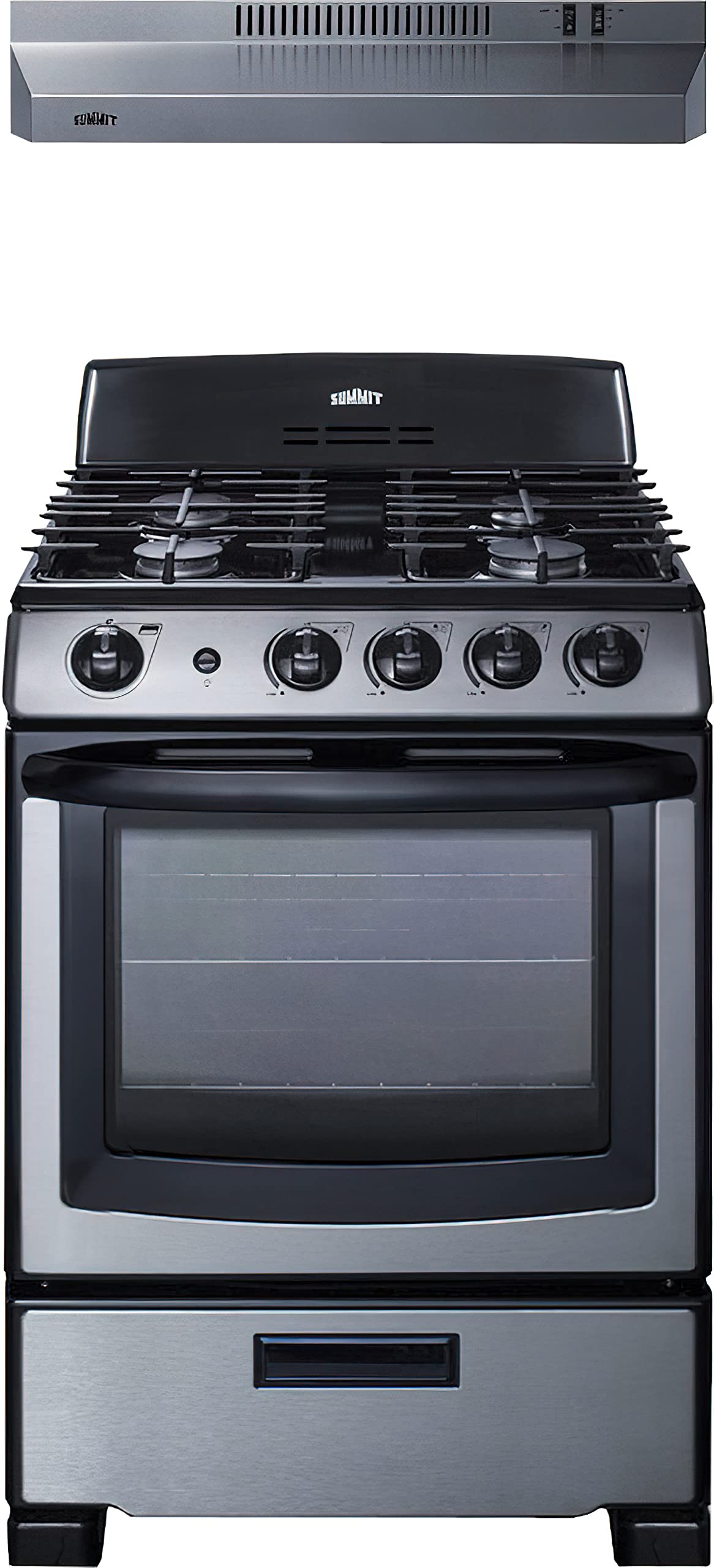
Choosing the right range hood involves understanding your kitchen layout and cooking needs. This guide helps navigate through key features and common mistakes.
Choosing the right range hoods can significantly impact both the functionality of your kitchen and its aesthetics. With a variety of options available, making an informed decision is crucial to ensure you get the best fit for your space and requirements. In this article, we’ll explore why selecting the perfect range hood isn’t always straightforward, common pitfalls buyers often fall into, essential features to consider when comparing products, real-world usage insights, where these appliances shine or struggle, who might want to look elsewhere, comparisons with other options in the market, maintenance tips for longevity, and frequently asked questions.
Why Choosing This Type of Range Hoods is Difficult
Selecting a range hood can be challenging due to numerous factors such as kitchen size, cooking habits, budget constraints, and personal style preferences. Each type—ducted or ductless (recirculating)—has its advantages and drawbacks depending on your specific needs. For instance, while ducted hoods are more effective at removing smoke and odors directly outside the house, they require proper installation through walls or ceilings which might not be feasible in all homes.
Common Buyer Mistakes
One common mistake is focusing solely on aesthetics without considering performance capabilities. Another frequent error involves overlooking ventilation efficiency relative to cooking habits; for example, a range hood designed primarily for light use may struggle with high-heat cooking methods like searing steaks or deep frying. Additionally, buyers often underestimate the importance of noise levels and air flow capacity when making their selection.
Key Features Buyers Should Compare
When shopping around for range hoods, several key features should be compared to ensure you’re getting a product that meets your needs:
Ventilation type (ducted vs ductless)
CFM rating
Noise level during operation
Lighting options and quality
Filter types and ease of cleaning or replacement
Installation requirements
Real-world Use Experience and Expectations
In practical use, range hoods vary greatly in how well they perform under different conditions. A high-quality hood with adequate CFMs will effectively clear smoke and cooking odors from your kitchen during intense cooking sessions without excessive noise pollution. However, it’s important to note that even the best models may struggle if not properly installed or maintained.
Where This Product Fits (Strengths & Weaknesses)
A convertible range hood like Summit Appliance’s RGH24RSS offers flexibility by serving both as a dedicated venting unit and an integrated part of your cooktop setup. Its strengths include versatility in installation options, robust ventilation capabilities for most home cooking scenarios, and sleek design that complements modern kitchen aesthetics.
However, it may not be ideal if you frequently engage in heavy-duty culinary activities requiring extremely powerful extraction systems or have limited space above the stove where clearance is an issue due to its size. Additionally, while easy-to-clean filters are a plus, regular maintenance remains necessary for optimal performance over time.
Who Should Avoid This Product
Those who prioritize ultra-quiet operation might find that even top-tier range hoods produce noticeable noise during peak usage periods. Similarly, individuals living in apartments or condominiums with strict building codes regarding venting through walls may need to opt for alternative solutions such as ductless models designed specifically for indoor air circulation.
Comparison With Alternative Options
When comparing convertible hood sets like the Summit Appliance RGH24RSS against standalone range hoods or built-in ventilation units, consider factors beyond just price. For instance, while a separate wall-mounted exhaust fan might be cheaper upfront and easier to install in some cases, it lacks the integrated cooking surface benefits offered by convertible designs.
Maintenance and Long-term Considerations
Regular cleaning of filters is essential for maintaining high performance levels over years of use. Additionally, checking seals around duct connections periodically ensures no air leaks occur which could reduce efficiency significantly. Investing in quality replacement parts when needed also helps prolong overall lifespan without compromising effectiveness.
Frequently Asked Questions
How do I know if my kitchen needs a range hood?
If you frequently cook with high heat or produce significant amounts of smoke and steam, installing a range hood is highly beneficial for both air quality control and safety reasons. Assess your cooking habits to determine whether investing in one makes sense.
What are the main differences between ducted and recirculating hoods?
Ducted range hoods expel exhaust directly outside through pipes connected to walls or roofs, making them more effective at removing pollutants but requiring proper installation access. Recirculating models clean indoor air by filtering out contaminants before releasing it back into your kitchen space.
Is a convertible hood worth the investment for my home setup?
Convertible hoods offer dual functionality as both standalone venting units and integrated cooking surface components, providing flexibility in design choices while maintaining strong performance standards suitable for most residential applications. Evaluate personal needs against available options to decide if this type aligns with your requirements.
Final Neutral Thoughts
In conclusion, selecting the right range hood involves careful consideration of various factors including kitchen layout, ventilation preferences, and long-term maintenance commitments. By understanding these aspects thoroughly before purchasing, homeowners can make informed decisions that enhance both functionality and aesthetics within their culinary spaces effectively.