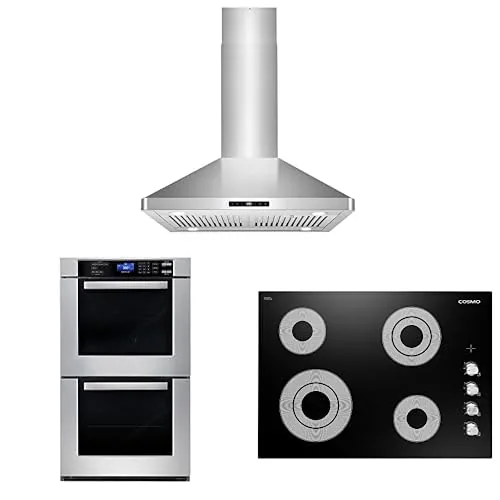
Choosing the right range hood involves understanding your kitchen layout, cooking habits, and ventilation needs. This guide helps navigate through common.
Choosing the right range hood is a critical decision that impacts both the functionality of your kitchen and its aesthetics. With numerous options available in terms of size, style, and features, it’s easy to feel overwhelmed when making this choice. Understanding what each type offers can help you make an informed decision based on your specific needs.
Why Choosing This Type of Range Hoods is Difficult
The primary challenge lies in balancing form with function. While some range hoods are designed for their sleek appearance and modern design, others prioritize powerful ventilation capabilities over style. Additionally, the size and layout of your kitchen can significantly influence which type will work best for you.
Common Buyer Mistakes to Avoid
One common mistake is choosing a range hood based solely on its aesthetic appeal without considering its performance metrics such as CFM (Cubic Feet per Minute) ratings or noise levels. Another frequent error is selecting an undersized unit that cannot effectively handle the cooking volume of your kitchen, leading to inefficiency and potential health risks due to poor air quality.
Key Features Buyers Should Compare
When shopping for a range hood, focus on comparing features like CFM rating, motor type (DC vs AC), noise level, lighting options, filter types, and ease of installation. These factors directly impact the performance and maintenance requirements of your chosen model.
Real-World Use Experience and Expectations
In practical use, you’ll find that a range hood with higher CFMs will provide better ventilation but may also be noisier than lower-rated models. Similarly, DC motors tend to offer quieter operation compared to AC motors at the same power output level. Understanding these trade-offs helps set realistic expectations for your purchase.
Where This Product Fits (Strengths & Weaknesses)
The Cosmo 3-Piece range hood is well-suited for kitchens with island setups or standalone cooktop configurations where a powerful yet stylish ventilation solution is needed. Its strengths lie in its ability to blend seamlessly into modern kitchen designs while providing efficient air circulation and smoke extraction capabilities.
However, it may not be ideal for smaller spaces due to its size requirements and the need for proper clearance around the hood’s base. Additionally, users who prioritize minimal noise during operation might find that other models with quieter motors offer a better fit despite potentially lower CFM ratings.
Who Should Avoid This Product
Homeowners with limited kitchen space or those looking for budget-friendly solutions should consider alternatives to this model. Its larger footprint and higher-end features make it less suitable for tight quarters where compact designs are preferable, as well as cost-conscious buyers seeking more economical options.
Comparison With Alternative Options in the Same Category
When compared to other range hood models on the market, such as those from brands like Broan or Whirlpool, this Cosmo model stands out due to its unique combination of design elements and performance features. However, it may not offer the same level of customization options available with some competitors’ products.
Maintenance and Long-Term Considerations
Regular cleaning of filters is essential for maintaining optimal airflow and preventing odors from lingering in your kitchen space. Additionally, considering long-term energy efficiency ratings can help reduce operational costs over time while minimizing environmental impact.
Frequently Asked Questions
How do I know if a range hood with high CFM rating is worth the investment?
A higher CFM rating indicates better air extraction capabilities but comes at the cost of increased noise levels and potentially higher installation expenses. Evaluate your kitchen’s ventilation needs to determine whether the benefits outweigh these drawbacks.
What are some key differences between DC and AC motors in range hoods?
DC motors generally offer quieter operation, improved energy efficiency, and longer lifespan compared to their AC counterparts while delivering similar performance metrics under normal conditions.
Is it worth investing in a built-in versus an island-style range hood for my kitchen setup?
Choosing between these styles depends largely on your specific kitchen layout. Built-ins are typically more compact and suitable for wall-mounted installations near the stove, whereas islands provide greater flexibility but require additional space.
Final Neutral Thoughts
Selecting the right range hood involves careful consideration of both functional requirements and aesthetic preferences to ensure a harmonious blend in any modern home setting. By understanding your kitchen’s unique needs and evaluating various models based on their key features and performance metrics, you can make an informed decision that enhances both functionality and style.