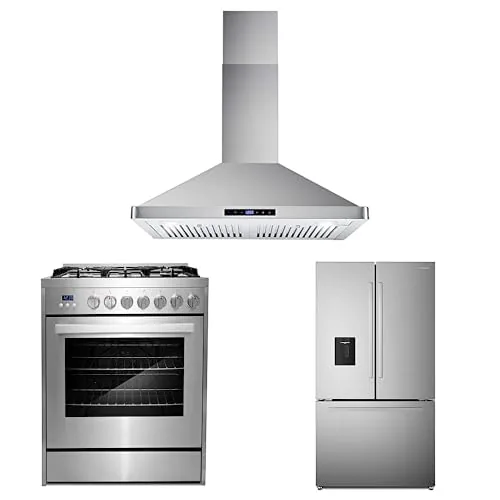
Choosing the right range hood involves understanding your kitchen layout and cooking needs; this guide helps navigate through key features, common mistakes, and.
Choosing the right range hood is a critical decision that can significantly impact both the functionality of your kitchen and its aesthetic appeal. With numerous options available in terms of size, style, and technology, making an informed choice isn’t always straightforward. This article aims to guide you through the process by highlighting common pitfalls, essential features to consider, real-world performance expectations, and maintenance tips.
Why Choosing Range Hoods is Difficult
Selecting a range hood can be challenging due to the variety of options available in terms of design, size, and functionality. Each kitchen has unique requirements based on factors such as cooking habits, ventilation needs, and aesthetic preferences. This complexity often leaves buyers overwhelmed with choices without clear guidance.
Common Buyer Mistakes
One common mistake is focusing solely on aesthetics over performance capabilities. Another frequent error involves neglecting the importance of proper sizing relative to your cooktop or range dimensions. Buyers also tend to overlook maintenance requirements when making their selection, which can lead to long-term issues and higher costs down the line.
Key Features Buyers Should Compare
When shopping for a new range hood, it’s crucial to compare several key features:
Ventilation Type: Decide between ducted (exhausting smoke outside) or recirculating systems based on your kitchen layout.
Cubic Feet Per Minute (CFM): Higher CFMs are better suited for larger cooking areas and more powerful stoves.
Noise Level: Quieter models may be preferable in open-concept kitchens where noise can travel easily.
Real-World Use Experience and Expectations
In real-world scenarios, range hoods vary widely in their performance. A well-chosen model will effectively manage smoke and odors while operating quietly enough to not disrupt conversation or television viewing during cooking sessions. However, expectations should be set realistically; even high-end models might struggle with extremely powerful commercial-grade stoves.
Where This Product Fits (Strengths & Weaknesses)
A 30-inch wall mount range hood designed for a gas cooktop offers several advantages:
Efficient Ventilation: Ideal for smaller kitchens or those who frequently use medium-sized pots and pans.
Space Efficiency: Wall-mounted units save counter space, making them suitable for compact kitchen designs.
However, such models may not be adequate in larger spaces where more extensive ventilation is needed. They also tend to have less flexibility compared to island hoods that can accommodate various cooking setups.
Who Should Avoid This Product
Homeowners with large kitchens or those who frequently cook using multiple burners simultaneously might find a 30-inch wall mount range hood insufficient for their needs. Similarly, individuals prioritizing high-end features like advanced filtration systems may want to consider larger models offering more comprehensive capabilities.
Comparison With Alternative Options in the Same Category
When compared to island hoods or under-cabinet units, wall-mounted options offer distinct advantages and limitations:
Island Hoods: Provide superior coverage for large cooking areas but require specific kitchen layouts.
Under-Cabinet Units: Offer sleek designs that blend seamlessly with modern kitchens yet may lack the powerful ventilation of larger models.
Understanding these differences helps in making a decision based on your unique requirements rather than just brand popularity or price point.
Maintenance and Long-Term Considerations
Regular cleaning is essential to maintain optimal performance. Filters should be washed periodically, depending on usage frequency, while exterior components like grilles may need occasional wiping down with mild detergent solutions. Considering the long-term costs associated with maintenance can help in assessing whether a particular model fits within your budgetary constraints.
How often do I need to clean my range hood?
Regular cleaning every 1-3 months is recommended depending on how frequently you cook and what types of foods are prepared regularly.
Is it worth investing in an expensive range hood if I don’t cook much?
If cooking isn’t a daily activity, opting for a mid-range model that meets basic needs might be more practical than spending extra money on high-end features rarely used.
Which type of filter is best for my kitchen setup?
Choosing between baffle filters and mesh filters depends largely on your specific ventilation requirements. Baffles are generally better at handling grease while meshes offer easier cleaning but may clog faster with heavy use.
Final Neutral Thoughts
Selecting the right range hood involves balancing practical needs against personal preferences. By considering factors like ventilation type, CFM ratings, noise levels, and maintenance requirements, you can make an informed choice that enhances both your cooking experience and kitchen aesthetics without unnecessary complications or costs.