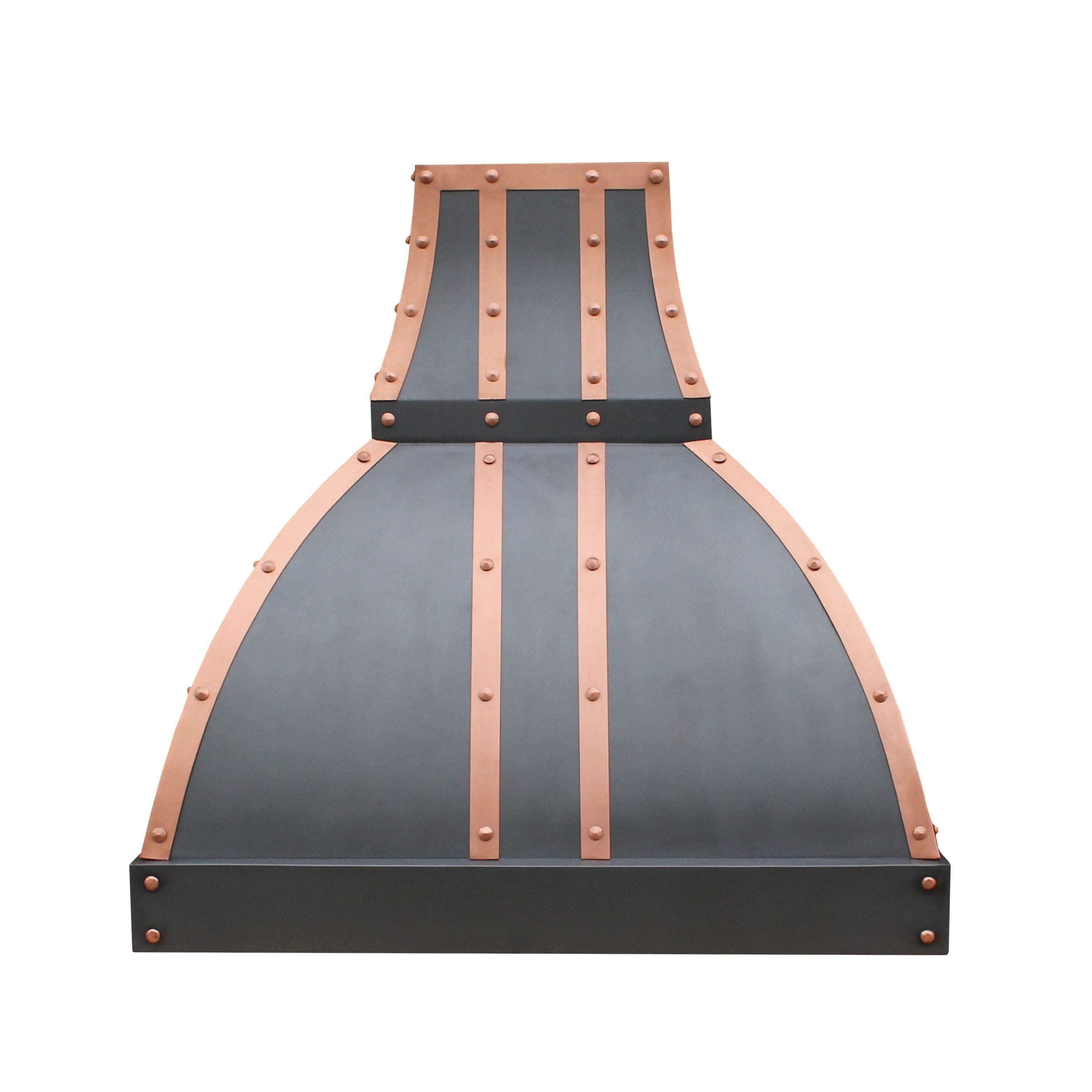
Choosing the right range hood involves understanding key features and trade-offs; this guide helps navigate through options with a focus on real-world use.
Choosing the right range hoods can be daunting due to the myriad of choices available in terms of design, functionality, and price. Each model promises unique benefits that cater to specific kitchen needs, making it challenging for buyers to decide which one suits them best. This guide aims to simplify this process by highlighting common pitfalls, essential features to consider, and practical insights into real-world use.
Why Choosing Range Hoods is Difficult
The difficulty in choosing range hoods stems from the variety of options available that cater to different kitchen styles and ventilation needs. Factors such as installation type (wall mount vs. island), motor power, noise level, and material quality all contribute to making an informed decision challenging for consumers.
Common Buyer Mistakes
Overlooking maintenance requirements.
Ignoring compatibility with existing kitchen appliances.
Focusing solely on aesthetics without considering performance metrics like CFM ratings.
Key Features Buyers Should Compare
When shopping for range hoods, it’s crucial to compare features such as:
Motor Power and Efficiency
The motor’s power (measured in cubic feet per minute or CFM) is vital. Higher CFMs are better suited for larger cooking areas with powerful burners.
Noise Level
Range hood noise can be a significant factor depending on the kitchen layout. Quieter models might be preferable if you have an open-plan living space.
Material Quality and Durability
Materials like stainless steel or copper offer aesthetic appeal but also durability against corrosion, making them suitable for long-term use in high-traffic kitchens.
Real-World Use Experience and Expectations
In real-world scenarios, range hoods function to remove smoke, steam, grease, and cooking odors from the kitchen. A well-designed hood should maintain a consistent airflow without excessive noise or vibrations during operation. Regular cleaning is necessary for optimal performance over time.
Installation Consideration
Wall-mounted models like the SINDA Light Hammered-Natural Copper Range Hood are ideal for kitchens with limited overhead space, offering both style and functionality in one unit. However, they require careful planning to ensure proper ventilation ducting alignment.
Where This Product Fits (Strengths & Weaknesses)
Strengths
Aesthetic appeal: The hammered copper finish adds a unique touch of elegance.
Professional-grade materials: SUS304 stainless steel ensures durability and easy maintenance.
Internal motor design: Provides quieter operation compared to external motors.
Weaknesses
Higher price point due to premium features like the internal motor system.
Limited flexibility in installation options, primarily wall-mounted only.
Who Should Avoid This Product
This range hood may not be suitable for those with tight budgets or who prefer more flexible installation types such as ductless models. Individuals looking for a budget-friendly option might find other choices better aligned with their needs and financial constraints.
Comparison With Alternative Options in the Same Category
When comparing wall-mounted copper hoods, consider options like stainless steel units which offer similar performance at potentially lower costs. Ducted vs. ductless systems also present different trade-offs regarding installation complexity and noise levels that buyers should weigh against personal preferences.
Maintenance and Long-Term Considerations
Regular cleaning of filters is essential to maintain optimal airflow and prevent odors from lingering in the kitchen. Additionally, checking for wear on materials like copper can help extend the hood’s lifespan by addressing issues early before they escalate into costly repairs or replacements.
Cleaning Tips
Use mild soap and water for daily maintenance.
For deep cleaning, refer to manufacturer guidelines specific to material types (e.g., stainless steel vs. copper).
Frequently Asked Questions
How Do I Choose Between Wall-Mounted and Island Range Hoods?
Consider your kitchen layout and ventilation needs when deciding between wall-mounted and island range hoods.
Is It Worth Investing in a Copper-Clad Hood for My Kitchen?
Copper-clad hoods offer aesthetic appeal but come with higher maintenance requirements compared to stainless steel alternatives.
What Are the Key Differences Between Ducted and Ductless Range Hoods?
Ducted systems provide better ventilation efficiency, while ductless models are easier to install in homes without existing ductwork.
Final Neutral Thoughts
Selecting a range hood involves balancing aesthetic preferences with practical considerations such as performance metrics and maintenance requirements. By understanding these factors thoroughly before making a purchase decision, homeowners can ensure they choose an appliance that enhances both the functionality and beauty of their kitchen space effectively.