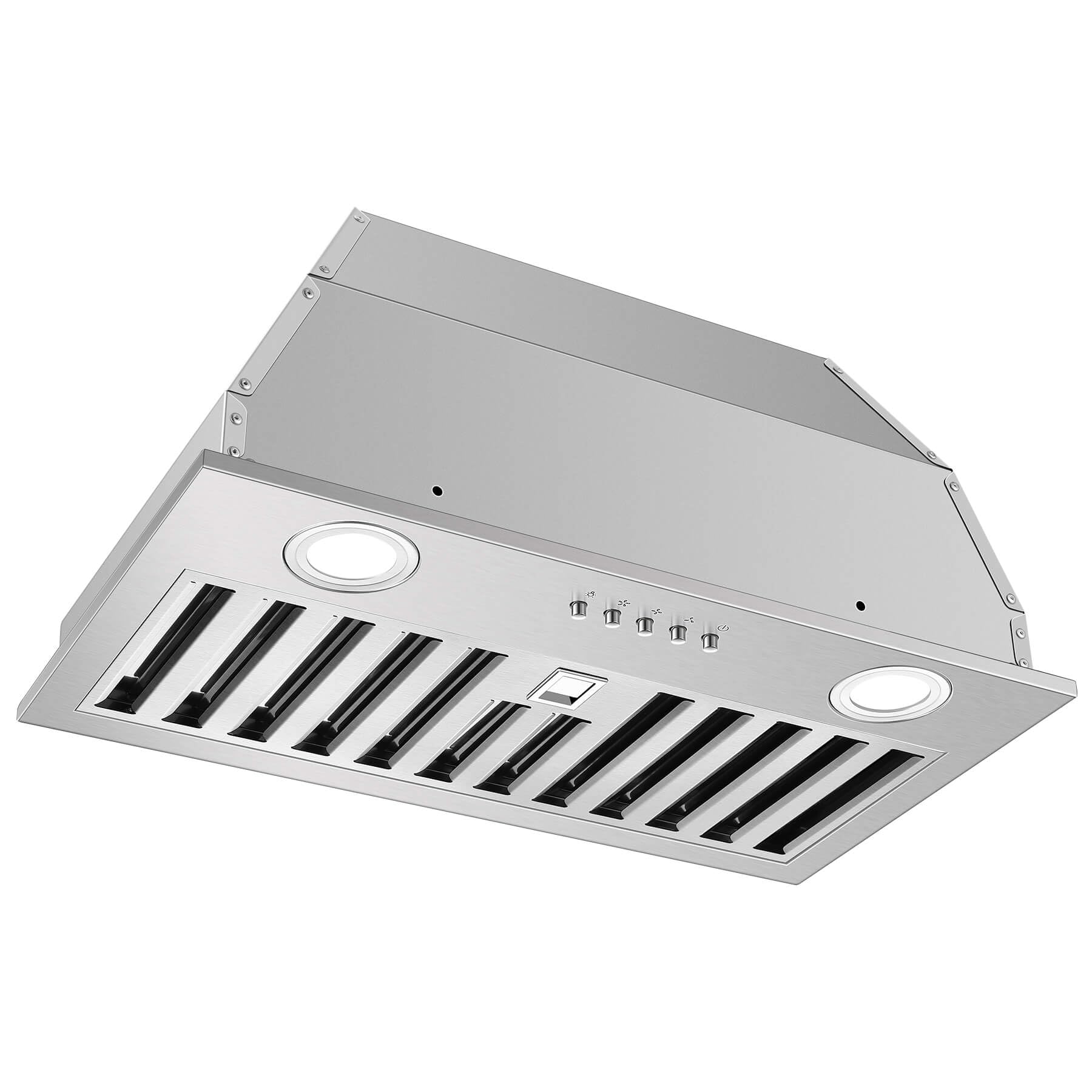
Choosing the right range hood involves understanding your kitchen’s needs and avoiding common mistakes; this guide helps you make an informed decision.
Choosing the right range hoods can be a daunting task, especially with so many options available on the market. Each model promises to solve specific problems like odor removal or noise reduction, making it difficult for buyers to decide which features are essential and which ones might just be marketing gimmicks. This guide aims to simplify your decision-making process by highlighting key factors that should influence your choice.
Why Choosing Range Hoods is Difficult
The range hood market offers a wide variety of models with different CFM ratings, noise levels, and installation types (ducted or ductless). Each kitchen has unique requirements based on the size of the cooking area, ventilation needs, and aesthetic preferences. Without clear understanding and research, it’s easy to get overwhelmed by the sheer number of choices.
Common Buyer Mistakes
One common mistake is focusing solely on CFM ratings without considering other factors like noise levels or ease of installation. Another frequent error is buying a range hood based purely on aesthetics rather than functionality. It’s crucial to balance form and function when making your selection.
Key Features Buyers Should Compare
CFM Rating
The cubic feet per minute (CFM) rating indicates how much air the fan can move in one minute, which directly affects its ability to remove smoke, steam, and cooking odors from your kitchen. Higher CFM ratings are better for larger kitchens or those with powerful stoves.
Noise Level
Range hoods vary greatly in noise levels, impacting their usability during cooking times when you might want a quieter environment. Look for models that offer quiet operation without compromising on performance.
Installation Type
Decide whether your range hood will be ducted (connected to an external vent) or ductless (recirculating air through filters). Ducted hoods are generally more effective at removing smoke and odors, while ductless units can be easier to install but require regular filter maintenance.
Real-World Use Experience and Expectations
In real-world use, a range hood with adequate CFM for your kitchen size is crucial. For instance, if you have an oversized stove or frequently cook with high heat, higher CFM ratings will ensure better air quality in the cooking area. Additionally, regular cleaning of filters can maintain optimal performance over time.
Where This Product Fits (Strengths & Weaknesses)
Strengths
Efficient Ventilation: With a 600 CFM rating and efficient lighting, this range hood effectively removes smoke and odors.
Quiet Operation: The ultra-quiet design ensures that the fan does not disrupt conversations or cooking activities.
Weaknesses
Installation Complexity: Ducted installation might be challenging for DIY enthusiasts without proper tools or experience.
Cost of Ownership: Regular filter replacement can add to long-term costs, especially if filters are expensive and need frequent changing.
Who Should Avoid This Product
This range hood is not suitable for those who prefer a completely silent kitchen environment as even ultra-quiet models will produce some noise. Additionally, individuals with limited space or installation knowledge might find the ducted setup too cumbersome to manage on their own.
Comparison With Alternative Options in the Same Category
When comparing this model to other range hoods in its price range and category, consider options that offer similar CFM ratings but may differ in terms of noise level or ease of maintenance. For example, a competitor might have a slightly lower CFM rating but include more advanced filter technology for easier cleaning.
Maintenance and Long-Term Considerations
Regularly clean the filters to maintain optimal performance and extend their lifespan. Additionally, check the duct connections periodically if you opt for a ducted model to ensure there are no leaks or blockages affecting air flow efficiency.
FAQ
How do I choose between a ducted and ductless range hood?
Choosing depends on your kitchen layout and local building codes. Ducted hoods remove smoke directly outside, while ductless units filter the air before recirculating it back into the room.
Is higher CFM always better for my range hood?
Higher CFM is beneficial in larger kitchens or with powerful stoves but may not be necessary if your cooking habits are light and you have a smaller kitchen space. Balance performance needs against noise levels and installation complexity.
How often should I clean my range hood filters?
Cleaning frequency depends on usage intensity, typically every 1-3 months for regular use to maintain optimal ventilation efficiency.
Final Neutral Thoughts
Selecting the right range hood involves balancing multiple factors such as CFM ratings, noise level, and ease of installation. By considering these aspects carefully, you can find a model that meets your kitchen’s specific needs without unnecessary compromises on performance or aesthetics.