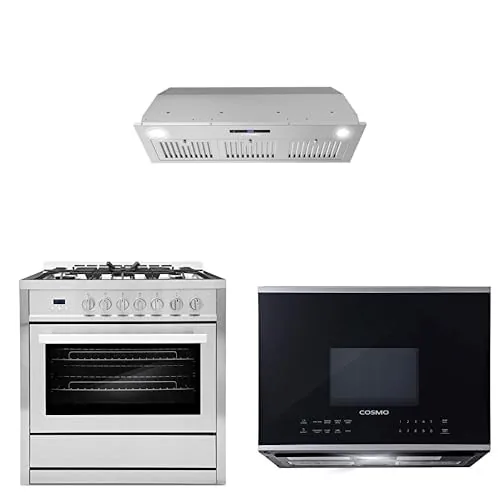
Choosing the right range hood involves understanding key features like ventilation, noise level, and installation type. This guide helps navigate through common.
Choosing the right range hoods can be a daunting task due to the variety of options available in the market today. Each model offers unique benefits but also comes with its own set of limitations. The decision-making process is further complicated by personal preferences such as kitchen aesthetics, budget constraints, and specific cooking needs. Understanding these factors is crucial before making an informed purchase.
Why Choosing This Type of Range Hoods Is Difficult
The primary challenge in selecting range hoods lies in balancing functionality with design. For instance, while a powerful vent hood might be essential for extracting smoke and odors effectively during intense cooking sessions, it may not fit well into a sleek modern kitchen layout. Similarly, opting for an aesthetically pleasing model could mean compromising on performance features that are critical to maintaining air quality.
Common Buyer Mistakes
One common mistake is focusing solely on the appearance of range hoods without considering their technical specifications and practical benefits. Another error involves overlooking maintenance requirements which can significantly impact long-term usability and cost-effectiveness. Buyers often underestimate the importance of proper installation, leading to suboptimal performance or even safety hazards.
Key Features Buyers Should Compare
When shopping for range hoods, it’s essential to compare several key features:
Ventilation Type: Decide between ducted (exhaust) systems that expel air outside and recirculating models which filter the air back into your kitchen.
Cubic Feet Per Minute (CFM): This measures how much air a range hood can move per minute, directly affecting its ability to clear smoke and cooking odors.
Noise Level: Quieter hoods are preferable for those who value peace while cooking but may come at the expense of power efficiency in some cases.
Real-World Use Experience and Expectations
In real-world scenarios, range hood performance can vary widely based on how they’re used. For example, a high CFM rating doesn’t guarantee effective odor control if filters aren’t cleaned regularly or installed incorrectly. Additionally, certain cooking methods like grilling produce more smoke than others, requiring higher ventilation rates to maintain air quality.
Where This Product Fits (Strengths & Weaknesses)
Range hoods are best suited for kitchens where maintaining a clean and fresh environment is crucial during cooking activities. They excel in homes with modern or contemporary design aesthetics that can accommodate various hood styles without looking out of place. However, they may not be ideal for small apartments lacking proper ductwork installation options.
Who Should Avoid This Product
Individuals living in older buildings where installing a vented range hood is impractical due to structural limitations might want to consider alternative solutions like portable fans or air purifiers instead. Similarly, those prioritizing minimalistic kitchen designs over functionality should explore other ventilation methods that blend seamlessly with their decor.
Comparison With Alternative Options in the Same Category
When comparing range hoods against alternatives such as wall-mounted exhaust fans or built-in microwave ovens with integrated vents, it’s important to weigh factors like installation complexity and long-term maintenance. Wall-mounted units offer simplicity but may lack the robust ventilation capabilities of dedicated range hoods. Integrated microwaves provide convenience but often compromise on venting efficiency compared to standalone hood models.
Maintenance and Long-Term Considerations
Regular cleaning and filter replacement are critical for maintaining optimal performance over time. Neglecting these tasks can lead to decreased effectiveness, increased noise levels, and potential health risks due to poor air quality. Additionally, considering the durability of materials used in construction helps ensure longevity without frequent replacements.
How Often Should I Clean My Range Hood?
Regular cleaning every 1-3 months depending on usage frequency is recommended to prevent buildup that reduces efficiency and poses hygiene concerns.
Is It Worth Investing In A High-CFM Model For Daily Use?
While high CFM ratings are beneficial for intense cooking sessions, they might be overkill for everyday use. Assess your typical kitchen activities before making a decision based solely on maximum airflow capacity.
What Are The Best Practices To Ensure Proper Installation Of Range Hoods?
Consulting professional installers ensures compliance with local building codes and maximizes the hood’s performance by positioning it correctly relative to cooking appliances.
Final Neutral Thoughts
Selecting the right range hoods requires careful consideration of both functional needs and aesthetic preferences. By understanding key features, avoiding common pitfalls, and comparing options thoroughly, buyers can make a well-informed decision that enhances their kitchen experience without compromising on practicality or style.