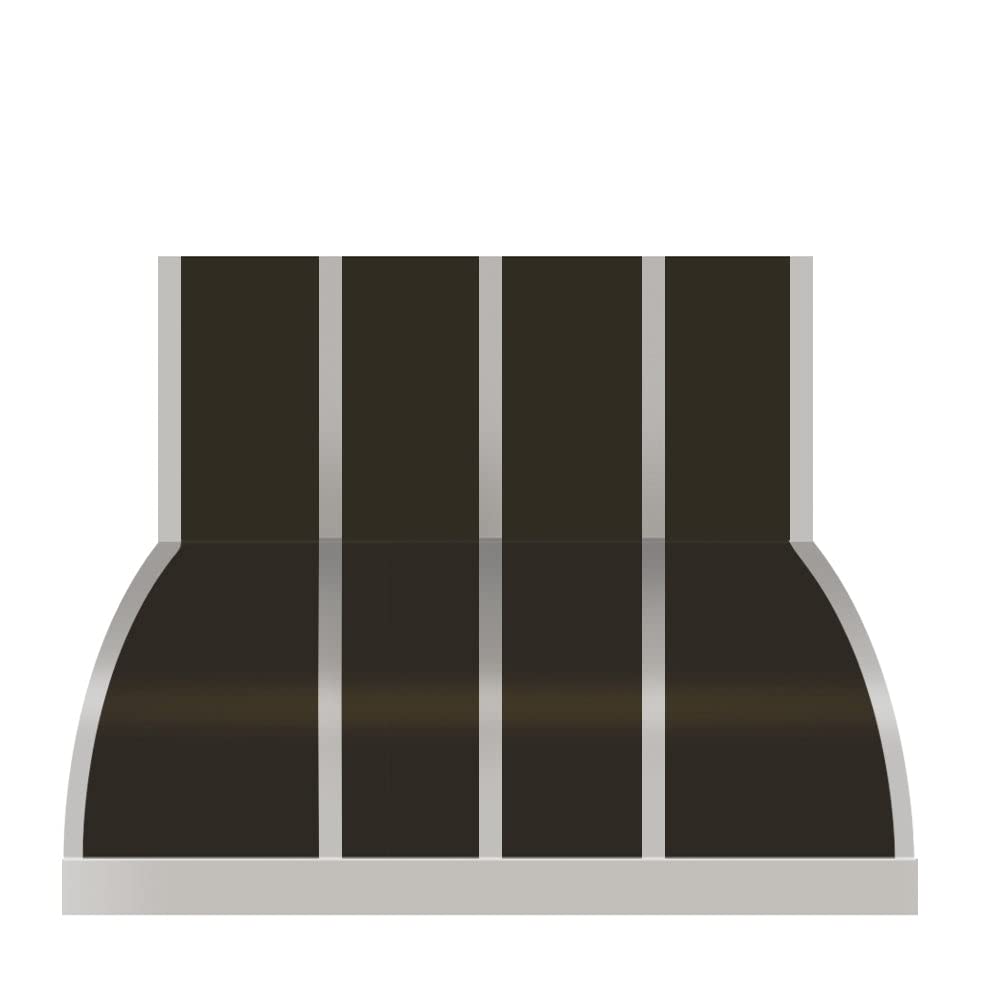
Choosing the right range hood involves understanding your kitchen layout and cooking habits; this guide helps navigate features like ventilation type and noise.
Choosing the right range hoods can be a daunting task, especially with so many options available in various styles and functionalities. The decision is not just about aesthetics but also practical considerations such as efficiency, ease of installation, and maintenance requirements. This article aims to provide clarity on how to make an informed choice that suits your kitchen needs.
Why Choosing the Right Range Hoods Is Difficult
Selecting a range hood involves balancing several factors like ventilation type (ducted or ductless), noise level, material quality, and additional features such as lighting and filtration systems. Each of these elements plays a crucial role in determining how well the range hood will perform its primary function—removing smoke, steam, grease, and cooking odors from your kitchen.
Common Buyer Mistakes
One common mistake is focusing solely on aesthetics without considering functionality. Another frequent error is underestimating the importance of proper ventilation for effective performance. Buyers often overlook the need to match the range hood’s size with their cooktop dimensions or fail to assess whether ducted exhaust would be more suitable than a recirculating system.
Key Features to Compare When Buying Range Hoods
Ventilation Type
Ducted systems vent air directly outside, which is ideal for larger kitchens and those who frequently use high-heat cooking methods. Ductless (recirculation) models filter the air inside your home but may not be as effective in removing grease or odors.
Noise Level
Range hoods can vary widely in noise output, with some quieter than others due to different fan designs and motor types. It’s important to consider how much background noise you’re willing to tolerate while cooking.
Material Quality
Materials like stainless steel offer durability but may be more expensive compared to other options such as aluminum or plastic. The quality of materials affects both the longevity and maintenance requirements of your range hood.
Real-World Use Experience and Expectations
In real-world scenarios, a high-quality ducted range hood can significantly improve air quality in large kitchens by effectively removing cooking pollutants without excessive noise levels. However, it requires proper installation with adequate clearance from combustible materials to ensure safety compliance.
For smaller spaces or apartments where installing ductwork might be impractical, recirculating models equipped with powerful filters and efficient fan motors provide a viable alternative for maintaining cleaner indoor air while being less intrusive visually and acoustically.
Where This Product Fits (Strengths & Weaknesses)
The SINDA Stainless Steel Vent Hood exemplifies the strengths of high-end range hoods designed to cater to professional-grade cooking environments. Its handcrafted construction ensures durability, coupled with robust filtration capabilities that effectively manage grease accumulation over time. However, its premium price point and requirement for proper duct installation may limit accessibility for some users.
Strengths
Durable stainless steel build.
Efficient blower motor and filter system.
Includes integrated lighting features enhancing visibility during cooking tasks.
Weaknesses
Expensive compared to mid-range alternatives.
Requires professional installation with appropriate venting solutions.
Who Should Avoid This Product
This range hood is best suited for homeowners or commercial chefs who prioritize high-performance ventilation systems in spacious kitchens. Individuals living in apartments without access to exterior walls suitable for ductwork might find alternative models more practical due to space constraints and cost implications associated with retrofitting existing structures.
Comparison With Alternative Options in the Same Category
When comparing range hoods, consider options like the Broan 4300VS or the Vent-A-Hood Pro Series. These alternatives offer similar functionalities but may differ significantly in terms of pricing, installation requirements, and specific feature sets tailored towards different user needs such as quieter operation or enhanced filtration efficiency.
Maintenance and Long-Term Considerations
Regular cleaning is essential for maintaining optimal performance; this includes periodic filter replacement to prevent clogging which could reduce airflow effectiveness. Additionally, ensuring proper clearance around the hood during use helps avoid overheating issues that might compromise safety standards over extended periods of usage.
### Is It Worth Investing in a High-End Range Hood?
High-end models like SINDA offer superior performance and durability but come at a higher cost compared to mid-range alternatives. For those prioritizing long-term value, the investment may prove worthwhile given their robust build quality and advanced features designed for intensive use scenarios.
### How Do I Know If My Kitchen Needs Ducted or Recirculating Range Hoods?
Choosing between ducted and recirculating systems depends largely on your kitchen layout and local building codes. For kitchens with direct access to exterior walls, installing a ducted system is generally more effective at removing pollutants completely from the home environment.
### What Are Some Common Issues With Ductless Range Hood Systems?
Ductless range hoods rely heavily on efficient filtration systems which can become less effective over time if not regularly maintained. Additionally, they may struggle to manage heavy cooking tasks that generate significant amounts of grease and odors compared to their ducted counterparts.
Final Neutral Thoughts
Selecting the right range hood involves careful consideration of your kitchen’s specific needs alongside personal preferences regarding style and functionality. Whether opting for a high-end model or settling on more affordable alternatives, understanding key features and maintenance requirements is crucial in making an informed decision that aligns with both immediate demands and long-term goals.