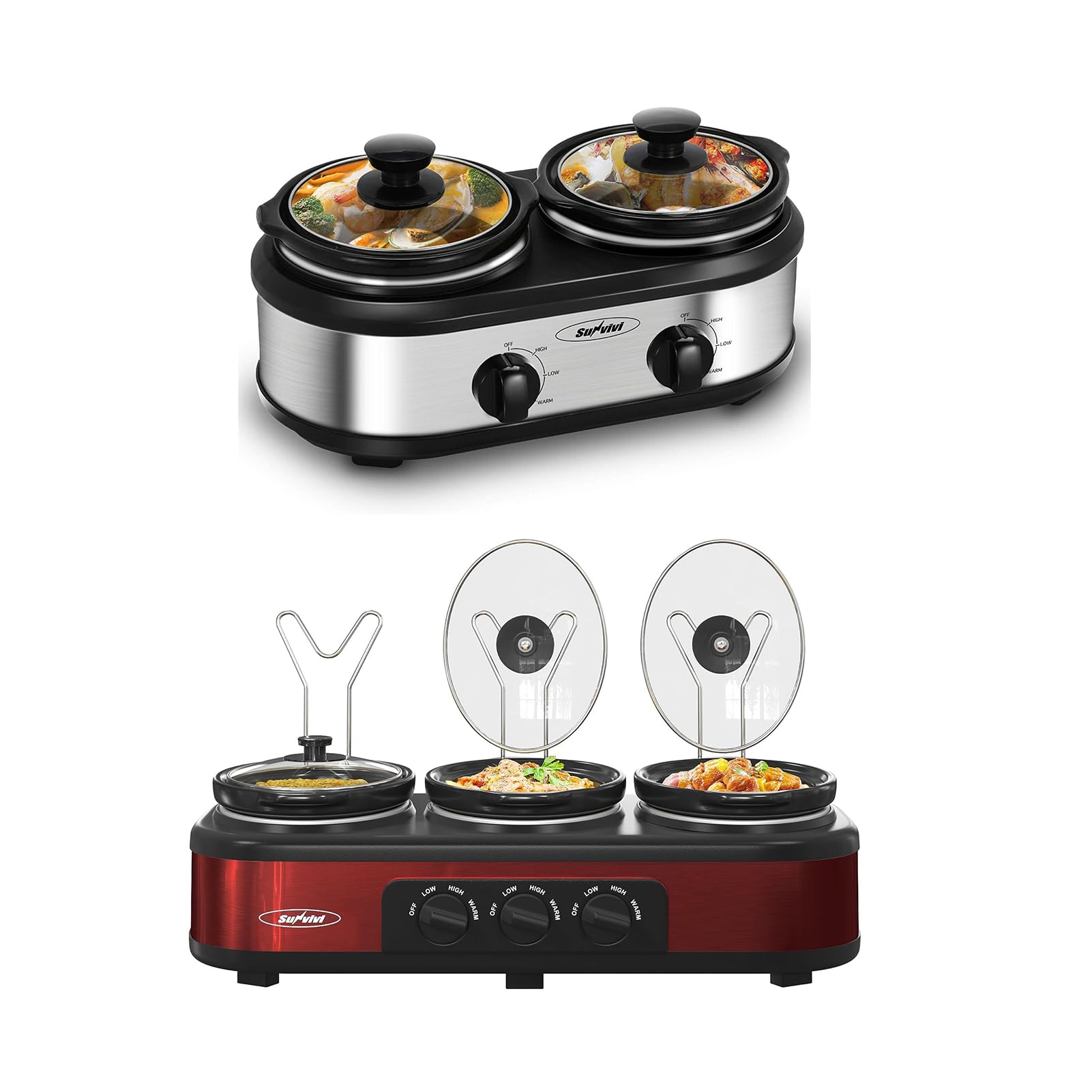
Choosing a slow cooker involves understanding your cooking needs and avoiding common pitfalls. This guide helps you make an informed decision.
Choosing the right slow cooker can be challenging due to the variety of options available in the market, each with unique features that cater to different kitchen requirements. The difficulty lies not only in identifying which model suits your specific culinary habits but also in understanding how these models differ from one another and why certain features might or might not matter for you.
Why Choosing This Type of Slow Cookers is Difficult
The primary challenge when selecting a slow cooker stems from the vast array of options available, each promising convenience and versatility. From single-pot to multi-cooker setups, deciding on which type suits your cooking style can be overwhelming. Additionally, understanding technical specifications like wattage, heating patterns, and programmability requires some research.
Common Buyer Mistakes
One common mistake is focusing too much on brand names rather than the specific features that meet individual needs. Another pitfall is overlooking maintenance requirements such as cleaning ease or durability of materials used in construction. Buyers often underestimate how frequently they will use a slow cooker and whether it fits their daily routine efficiently.
Key Features to Compare When Buying Slow Cookers
When shopping for slow cookers, consider the size, capacity, programmability, heating mechanism (e.g., ceramic vs. metal), and additional features like warming settings or timers. These factors significantly influence cooking outcomes and convenience levels.
Size and Capacity
The ideal slow cooker should match your household’s needs in terms of serving sizes without being unnecessarily large to store.
Programmability
Modern models often come with programmable functions, allowing for more precise control over cooking times and temperatures.
Real-World Use Experience and Expectations
In practical use, slow cookers excel at preparing hearty stews, soups, roasts, and other dishes that benefit from long, slow cooking processes. They are particularly useful during busy weekdays when you need to prepare meals ahead of time without constant supervision.
Cooking Results
Expect consistent results with even heat distribution across the pot, leading to tender meats and flavorful sauces.
Where This Product Fits (Strengths & Weaknesses)
Slow cookers shine in scenarios where hands-off cooking is preferred. They are ideal for busy professionals who want to prepare meals early or overnight without worrying about overcooking or burning food items.
Strengths
Easy meal preparation.
Energy-efficient compared to stovetop methods.
Versatile recipes possible with minimal effort.
Weaknesses
Limited versatility outside of slow cooking applications.
May not be suitable for quick meals requiring high heat settings.
Who Should Avoid This Product
Individuals who frequently cook elaborate dishes that require precise temperature control or rapid heating might find a slow cooker less useful. Those looking to invest in appliances with advanced features like sous vide capabilities may also prefer other kitchen gadgets over traditional slow cooking methods.
Comparison With Alternative Options in the Same Category
When compared to pressure cookers, which offer quick meal preparation and versatility across various cuisines, slow cookers lag behind in terms of speed but excel in maintaining flavors through prolonged simmering. For those interested in multi-functional appliances like Instant Pots or rice cookers with slow cooking modes, these devices might provide more utility for daily use despite their higher price points.
Maintenance and Long-Term Considerations
Regular cleaning is essential to maintain the longevity of your slow cooker. Opt for models that are dishwasher safe if you prefer easy maintenance routines. Additionally, consider whether the material used in construction (e.g., ceramic or stainless steel) aligns with your durability expectations and environmental concerns.
Frequently Asked Questions
How do I choose between a single-pot slow cooker and a multi-cooker?
Choosing depends on how often you plan to use additional cooking functions beyond just slow cooking. If versatility is key, go for the multi-cooker; otherwise, stick to what suits your primary needs best.
What are some tips for cleaning my new slow cooker effectively?
Most models can be cleaned in the dishwasher or by hand with mild soap and water. Avoid abrasive sponges that could damage non-stick coatings if present.
Is it worth investing in a high-end model over an entry-level one?
High-end slow cookers often come packed with advanced features like programmability, multiple heat settings, and better build quality. If these benefits align closely with your cooking habits, the investment might be worthwhile.
Final Neutral Thoughts
Selecting the right slow cooker involves balancing personal needs against available options in terms of functionality, ease-of-use, and maintenance requirements. By considering both strengths and limitations, you can make a decision that enhances your kitchen experience without unnecessary complications or costs.