Choosing between stoves and fireplaces requires careful consideration of your home’s needs, energy efficiency, aesthetics, and maintenance requirements.
Choosing the right stove or fireplace can significantly impact how you use and enjoy your kitchen or living space. With so many options available in terms of fuel type (gas, electric, wood), design, and functionality, it’s easy to feel overwhelmed when making a decision. This article aims to guide you through the process by highlighting common pitfalls, key features to consider, real-world expectations, and comparisons with alternative heating solutions.
Why Choosing Stoves & Fireplaces is Difficult
Selecting between stoves and fireplaces involves weighing various factors such as energy efficiency, installation requirements, cost of operation, and aesthetic preferences. Each type has its unique advantages and drawbacks that cater to different needs and lifestyles. For instance, gas stoves offer quick heat-up times but may require professional installation, while wood-burning fireplaces provide a cozy ambiance yet demand regular maintenance.
Common Buyer Mistakes
Many buyers rush into purchasing without fully understanding their requirements or the long-term implications of their choice. Some common mistakes include overlooking energy efficiency ratings, not considering local regulations regarding fuel types, and failing to assess space heating needs accurately. It’s crucial to research thoroughly before making a decision to avoid regrettable purchases.
Key Features Buyers Should Compare
When comparing stoves & fireplaces, focus on features like BTU output for heat distribution, ease of cleaning, safety certifications (such as UL or CE), warranty terms, and compatibility with existing home systems. Additionally, consider the availability of replacement parts and customer support services from manufacturers.
Energy Efficiency
Energy efficiency is a critical factor in both cost savings over time and environmental impact. Look at ratings like ENERGY STAR for stoves to ensure you are getting an appliance that minimizes energy consumption without compromising performance.
Real-World Use Experience and Expectations
In real-world scenarios, users often find themselves needing more than just basic cooking or heating capabilities from their stove or fireplace. Features such as programmable settings on electric fireplaces can offer convenience by allowing automated temperature control during different times of the day. Similarly, induction cooktops provide precise heat regulation for gourmet cooking.
Where This Product Fits (Strengths & Weaknesses)
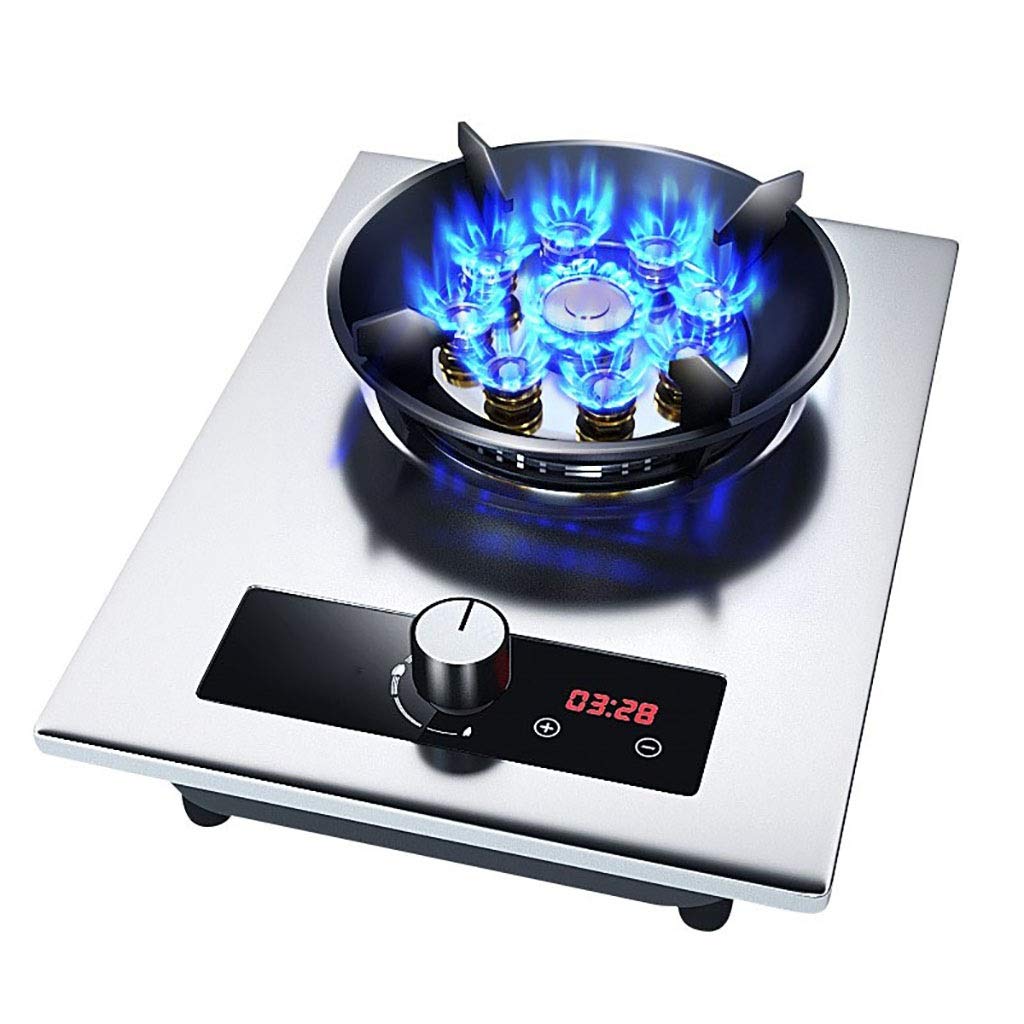
The product under consideration—a gas hob cooker with a built-in kitchen stove—excels in providing powerful and responsive heating elements ideal for professional-grade culinary tasks. However, it might not be suitable for homes where natural gas infrastructure is unavailable or restricted by local regulations.
Strengths
Quick heat-up times.
High cooking power for boiling water rapidly.
Easy to clean stainless steel surface.
Weaknesses
Requires a reliable supply of natural gas.
Higher initial installation costs compared to electric alternatives.
Potential safety concerns if not properly maintained or used by inexperienced users.
Who Should Avoid This Product
This product is best suited for homeowners who frequently engage in high-intensity cooking and have access to natural gas infrastructure. Individuals living in apartments without direct venting options, those preferring low-maintenance heating solutions, or people concerned about environmental impacts might find alternative products more fitting.
Alternatives
Electric stoves offer flexibility since they do not rely on external fuel sources.
Pellet fireplaces provide a cleaner burning option with programmable features similar to electric models but still require occasional maintenance and storage space for pellets.
Maintenance and Long-Term Considerations
Regular cleaning, inspection of gas lines or electrical components, and adherence to manufacturer guidelines are essential for maintaining the longevity and safety of your stove or fireplace. Additionally, considering future home renovations that might affect heating needs can help in making a more sustainable choice initially.
Cleaning
Gas stoves require regular wiping down of burners.
Fireplaces need annual chimney inspections by professionals.
Frequently Asked Questions
How do I choose between an electric and gas stove?
Consider your cooking habits, local availability of natural gas, and initial installation costs. Electric models are generally easier to install but may be less efficient for high-power needs like boiling large pots quickly.
What should I look out for when buying a fireplace insert?
Ensure it fits properly within the existing hearth dimensions, check its efficiency rating (such as EPA certification), and verify if it meets local building codes regarding venting requirements.
Is it worth investing in smart-enabled stoves or fireplaces?
For those seeking convenience features like remote control via smartphone apps for temperature adjustments, yes. However, assess whether these benefits outweigh the additional cost compared to standard models without such functionalities.
Final Neutral Thoughts
Choosing between a stove and fireplace involves balancing practical needs with personal preferences regarding aesthetics and functionality. By understanding your requirements thoroughly before making any purchases, you can ensure that whatever option you select will serve its intended purpose effectively while enhancing your home environment comfortably over the long term.