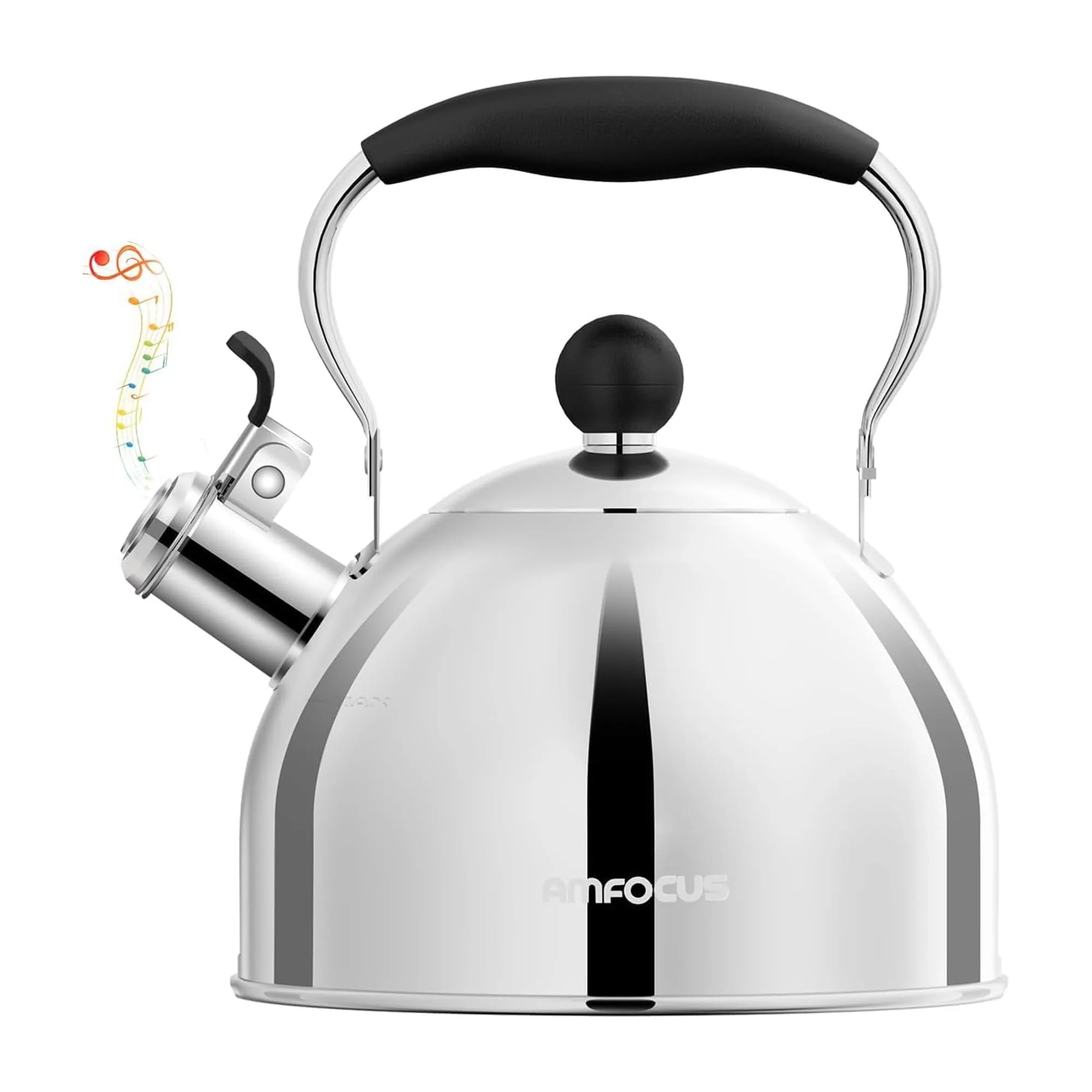
Choosing a kettle involves considering factors like material, capacity, and heating method; this guide helps navigate through common mistakes and features.
Choosing the right type of kettle can be overwhelming with so many options available in the market. Whether you’re looking at electric kettles or stovetop models, each has its own set of advantages and drawbacks that cater to different needs and preferences. Understanding these nuances is crucial before making a purchase decision.
Why Choosing This Type of Kettle Is Difficult
The difficulty lies in balancing personal requirements with the kettle’s features. For instance, electric kettles offer convenience but may lack the aesthetic appeal or versatility of stovetop models like whistling tea kettles. Additionally, buyers often overlook maintenance and long-term durability when focusing solely on initial cost.
Common Buyer Mistakes
One common mistake is choosing a kettle based purely on aesthetics without considering practicality such as capacity and heating efficiency. Another oversight is not checking if the kettle fits well with your kitchen setup or stove type, leading to dissatisfaction later on.
Key Features Buyers Should Compare
When selecting a kettle, it’s essential to compare features like material (stainless steel vs. plastic), capacity (1 quart vs. 2 quarts), heating method (electricity vs. stovetop), and additional functionalities such as automatic shut-off or temperature control.
Material
Stainless steel kettles are durable but can be heavier, whereas plastic models might be lighter yet less robust over time.
Capacity
A larger kettle is suitable for households with more people, while a smaller one may suffice for single-person use or small apartments.
Real-World Use Experience and Expectations
In real-world scenarios, an electric kettle heats water quickly but requires access to electricity. Conversely, stovetop kettles like whistling tea kettles provide a traditional experience that can be enjoyed on any stove type without relying solely on electrical power.
Strengths
Electric kettles are efficient and easy to use, while stovetop models offer flexibility in heating methods.
Weaknesses
Electric kettles may face limitations during power outages or when traveling. Stovetop kettles might require more attention due to the need for manual operation.
Where This Product Fits (Strengths & Weaknesses)
A 2-quart stainless steel whistling tea kettle is ideal for those who value traditional cooking methods and enjoy a classic design in their kitchen setup. However, it may not be suitable for individuals living in apartments with limited stove space or preferring modern appliances.
Ideal Users
Those seeking an elegant addition to their kitchen decor.
Not Suitable For
People requiring quick heating times without manual intervention.
Who Should Avoid This Product
Individuals who prioritize speed and convenience over traditional aesthetics should consider electric kettles instead. Those living in small spaces with limited stove access might find a compact electric kettle more practical.
Comparison With Alternative Options in the Same Category
Comparing this 2-quart stainless steel whistling tea kettle to an electric model reveals differences in heating time, portability, and maintenance requirements. Electric kettles heat water faster but may lack the charm of traditional stovetop models.
Heating Time
Electric kettles typically heat up much quicker than their stovetop counterparts.
Portability
Electric kettles are generally more portable due to cordless designs in some cases, whereas a whistling tea kettle relies on stove placement for use.
Maintenance and Long-Term Considerations
Regular cleaning is necessary regardless of the type chosen. Stainless steel models resist rust better than other materials but can show water stains over time if not cleaned properly. Electric kettles may require descaling to maintain performance, especially in hard-water areas.
Cleaning
Both types benefit from regular washing with mild detergent and drying thoroughly.
Longevity
Proper care ensures longevity for both stovetop and electric models.
Frequently Asked Questions
How is a Whistling Tea Kettle Different From an Electric One?
A whistling tea kettle heats water on the stove, providing a traditional experience. An electric kettle uses electricity to heat water quickly but lacks the charm of manual operation.
Is It Worth Buying a Stainless Steel Teakettle Over Plastic Models?
Stainless steel teakettles are more durable and resistant to rust compared to plastic models, making them ideal for long-term use despite being heavier.
What Are Some Tips For Maintaining A Whistling Tea Kettle Long-Term?
Regular cleaning with mild detergent helps prevent water stains. Avoid using abrasive cleaners that can scratch the surface.
Final Neutral Thoughts
Choosing between a whistling tea kettle and an electric model depends on personal preferences regarding aesthetics, convenience, and practicality in daily use. Both types offer unique benefits but cater to different needs based on lifestyle considerations such as space constraints or traditional cooking methods.