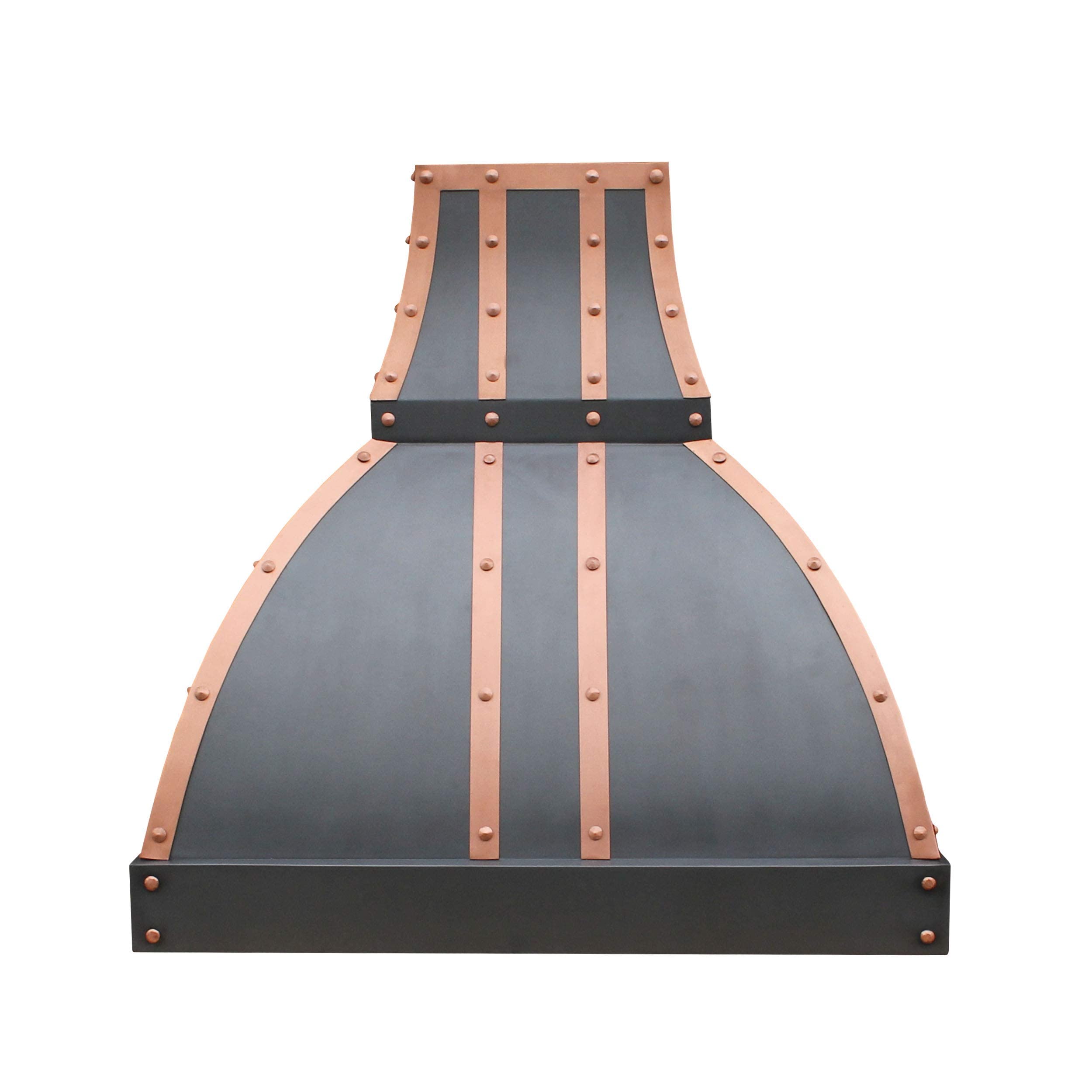
Choosing the right type of range hood involves understanding your kitchen layout and cooking needs; this guide helps navigate key features and common mistakes.
Choosing the right type of range hood is a critical decision that can significantly impact both the functionality and aesthetics of your kitchen. With numerous options available, ranging from island mount to wall-mounted models, it’s easy for buyers to feel overwhelmed by choices like motor placement (internal or external) and filter types (baffle or mesh). This guide aims to simplify this process by highlighting common pitfalls and essential features that should be considered.
Why Choosing the Right Type of Range Hood is Difficult
The difficulty in selecting a range hood stems from several factors. First, there’s no one-size-fits-all solution due to varying kitchen layouts and cooking habits. For instance, an island mount model might not suit kitchens with limited overhead space or those preferring wall-mounted units for aesthetic reasons. Additionally, the plethora of features such as motor placement (internal vs external) can confuse buyers who are unsure about which option suits their needs best.
Common Buyer Mistakes
One common mistake is overlooking ventilation requirements based on cooking habits and kitchen size. For example, a range hood with inadequate CFM (cubic feet per minute) for the stove’s BTU output might not effectively remove smoke or odors during intense cooking sessions. Another oversight involves neglecting maintenance aspects like filter cleaning frequency when choosing between baffle filters and mesh filters.
Key Features Buyers Should Compare
When shopping for a range hood, it’s crucial to compare features such as CFM (cubic feet per minute), motor type (internal vs external), noise level, lighting options, and material quality. For instance, an internal motor might be quieter but less powerful compared to its external counterpart. Similarly, the choice between baffle filters and mesh filters impacts maintenance frequency and effectiveness in capturing grease.
Real-World Use Experience and Expectations
In real-world scenarios, range hoods with higher CFM ratings perform better at removing smoke and cooking odors during intense use. However, they often come with a trade-off of increased noise levels compared to lower-CFM models. Additionally, the ease of installation can vary widely between different types; some models like island mounts require more complex setups than wall-mounted units.
Where This Product Fits (Strengths & Weaknesses)
The SINDA 48"W x 27"H Island Mount Handmade Unique Copper Range Hood exemplifies a high-end option with professional-grade features. Its strengths include an impressive CFM rating, durable SUS304 liner material, and easy installation despite being an island mount model. However, its weaknesses lie in the higher price point compared to wall-mounted alternatives and potential noise issues during peak usage.
Who Should Avoid This Product
This product is not suitable for those with tight budgets or limited kitchen space where a smaller, more affordable range hood would suffice. Additionally, individuals preferring quieter operation might find this model less appealing due to its high CFM capabilities translating into potentially louder performance under heavy use conditions.
Comparison With Alternative Options in the Same Category
When compared to wall-mounted models within the same price range, island mount options like SINDA offer superior ventilation coverage over larger cooking areas but at a higher cost. Wall mounts provide similar functionality with more straightforward installation processes and often quieter operation due to lower CFM ratings designed for less intense kitchen environments.
Maintenance and Long-Term Considerations
Maintenance is crucial in ensuring long-term performance of any range hood, especially those like SINDA which feature baffle filters requiring regular cleaning compared to mesh alternatives. Regularly checking motor functionality and filter efficiency will help maintain optimal ventilation over time without compromising on noise levels or air quality.
Frequently Asked Questions
Is it worth investing in a high-end range hood?
High-end models offer superior performance but come with higher costs. Consider your cooking habits, kitchen layout, and budget before making an investment.
What are the main differences between baffle filters and mesh filters?
Baffle filters capture grease more effectively than mesh types but require more frequent cleaning to maintain optimal airflow.
Which type of range hood is best for small kitchens?
Wall-mounted models tend to be better suited for smaller spaces due to their compact design and ease of installation.
Choosing the right range hood involves balancing performance needs with practical considerations like budget, kitchen layout, and maintenance requirements. By understanding these factors thoroughly, buyers can make informed decisions that enhance both functionality and aesthetics in their kitchens without unnecessary compromises.