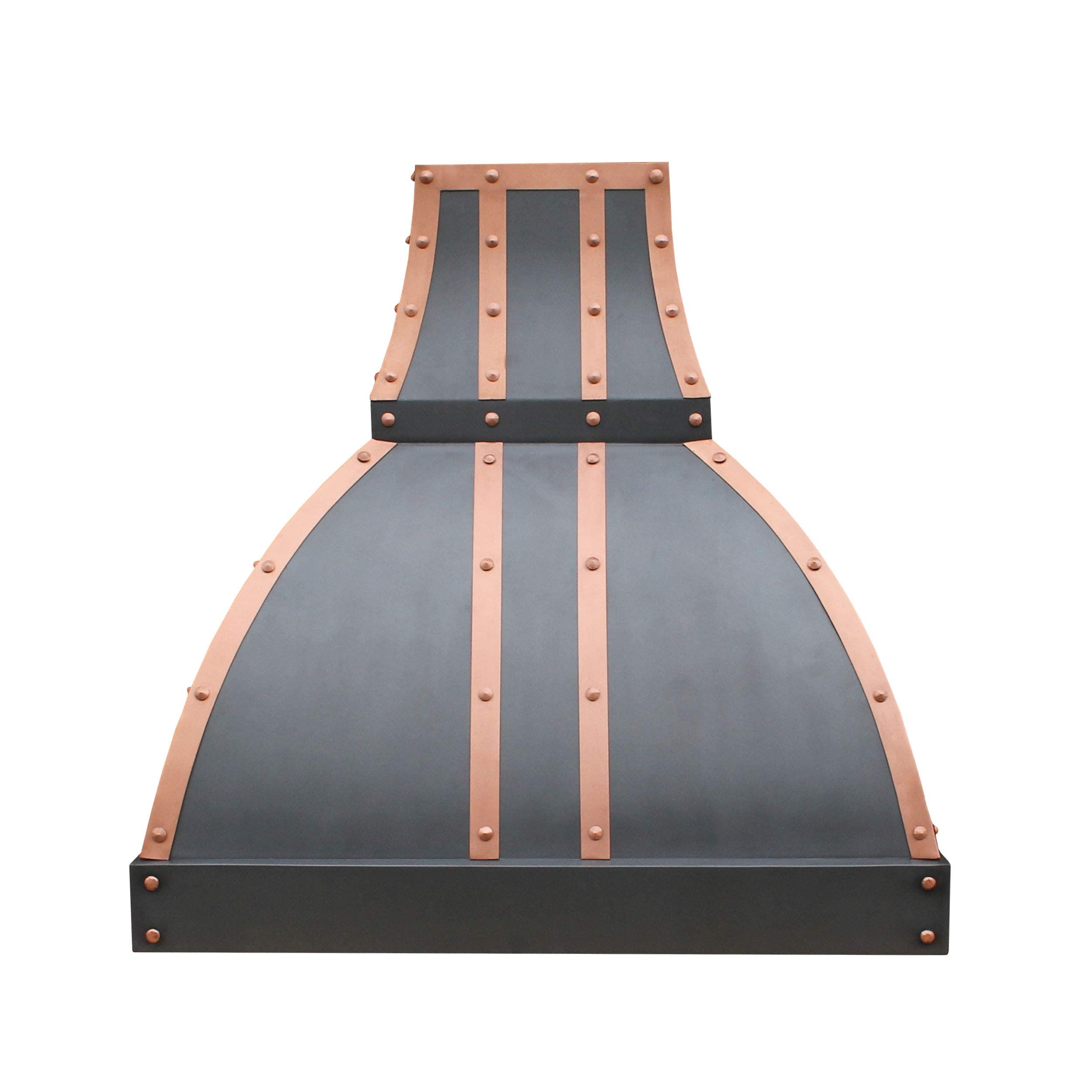
Choosing the right type of range hood involves understanding your kitchen’s needs and avoiding common mistakes; here’s a guide on key features, real-world use.
Choosing the right type of range hood is one of those decisions that can significantly impact both the functionality and aesthetics of your kitchen. With so many options available in terms of material, style, and technology, it’s easy to feel overwhelmed when making this choice. This guide aims to help you navigate through the complexities by highlighting common buyer mistakes, key features worth comparing, real-world use experiences, maintenance considerations, and more.
Why Choosing Range Hoods is Difficult
Selecting a range hood can be challenging because every kitchen has unique requirements based on factors like cooking habits, ventilation needs, and aesthetic preferences. Additionally, the market offers an extensive variety of styles and technologies that cater to different budgets and tastes. This diversity makes it difficult for buyers to pinpoint which features are essential versus those that might just add unnecessary cost.
Common Buyer Mistakes
One common mistake is focusing solely on aesthetics without considering ventilation efficiency or ease of maintenance. Another frequent error is not measuring the space properly, leading to a range hood that either doesn’t fit well or isn’t powerful enough for your cooking needs. Lastly, overlooking energy consumption and long-term costs can result in higher utility bills over time.
Key Features Buyers Should Compare
When shopping for range hoods, it’s crucial to compare features such as the CFM (cubic feet per minute) rating, which indicates how effectively a hood will vent smoke, steam, and odors. Additionally, consider the noise level of different models since quieter options can enhance your cooking experience. Materials like copper or stainless steel also play a role in both durability and appearance.
Real-World Use Experience and Expectations
In real-world scenarios, range hoods with higher CFM ratings tend to perform better at capturing grease and smoke during intense cooking sessions but may be louder than models designed for quieter operation. Copper range hoods like the SINDA Custom Hammered 16 Gauge Solid Copper model offer a unique aesthetic appeal that can complement modern or rustic kitchen designs, though they require more maintenance due to their material.
Where This Product Fits (Strengths & Weaknesses)
The SINDA Custom Hammered copper range hood excels in providing an elegant and durable solution for kitchens seeking high-end aesthetics. Its solid construction ensures longevity, while the hammered finish adds a distinctive touch that can elevate any kitchen’s style quotient. However, its higher price point and maintenance requirements make it less suitable for budget-conscious buyers or those who prefer low-maintenance appliances.
Who Should Avoid This Product
This product is not ideal for individuals on tight budgets looking for more affordable range hood options. Additionally, homeowners with limited space might find the large dimensions of this model challenging to accommodate without compromising kitchen layout efficiency.
Comparison With Alternative Options in the Same Category
When compared to other high-end models made from materials like stainless steel or brushed aluminum, copper range hoods often stand out due to their unique appearance and perceived value. However, they typically come with a higher price tag and more intensive cleaning requirements than alternatives that offer similar performance at lower costs.
Maintenance and Long-Term Considerations
Regular maintenance is crucial for keeping your range hood functioning optimally over time. This includes periodic filter replacements and thorough cleanings to prevent grease buildup. For copper models, additional care might be needed to preserve the finish from tarnishing or corrosion caused by exposure to moisture or acidic substances.
Is It Worth Investing in a Copper Range Hood?
While copper range hoods offer unparalleled aesthetic appeal and durability, they come with higher initial costs compared to other materials like stainless steel. The decision hinges on whether you prioritize style over budget constraints.
How Do I Maintain the Finish of My Copper Range Hood?
To maintain your copper hood’s finish, it’s important to clean it regularly using mild soap and water without abrasive cleaners that could damage its surface. Additionally, applying a protective wax layer periodically can help prevent tarnishing while enhancing shine.
Are There More Affordable Alternatives That Offer Similar Performance?
Yes, there are several affordable alternatives available in the market such as stainless steel or brushed aluminum range hoods which provide comparable performance at lower price points and require less maintenance than copper models.
Final Neutral Thoughts
Choosing a range hood involves balancing style preferences with practical considerations like ventilation efficiency and long-term costs. While high-end options like copper range hoods can offer unique aesthetic benefits, they may not be the best fit for everyone’s needs or budgets. Carefully evaluating your kitchen requirements alongside product features will help you make an informed decision that meets both functional and stylistic goals.