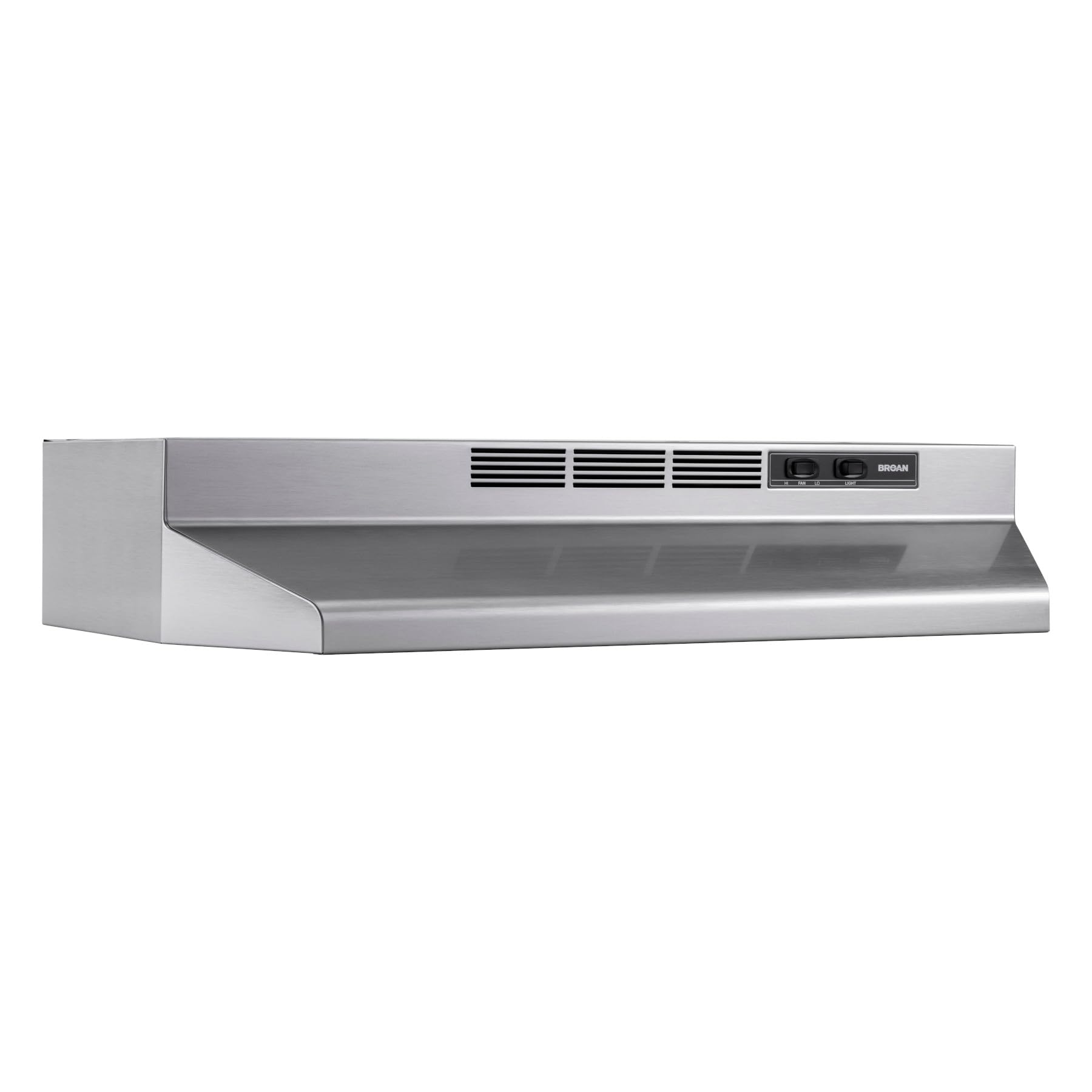
Choosing the right type of range hood involves understanding your kitchen layout and cooking needs; this guide helps navigate key features, maintenance.
Choosing the right type of range hood can be a daunting task. With so many options available in terms of size, style, installation method, and functionality, it’s easy to feel overwhelmed when trying to make an informed decision that fits your kitchen needs perfectly. This guide aims to simplify this process by breaking down common buyer mistakes, key features to compare, real-world use expectations, and more.
Why Choosing the Right Type of Range Hood is Difficult
The primary challenge lies in balancing aesthetics with functionality. Many homeowners want a range hood that complements their kitchen’s design while also effectively managing smoke, steam, and cooking odors. Additionally, understanding technical specifications such as CFM (cubic feet per minute) ratings can be confusing for those unfamiliar with ventilation systems.
Common Buyer Mistakes
One common mistake is overlooking the importance of proper installation. A range hood that isn’t installed correctly may not perform optimally or even pose safety risks due to improper venting. Another frequent error is choosing a model based solely on appearance without considering its performance capabilities, such as CFM and noise levels.
Key Features Buyers Should Compare
When shopping for range hoods, it’s crucial to compare features like the exhaust capacity (CFM), filter type, sound level, lighting options, and ease of cleaning. These factors directly impact how well a hood will manage kitchen air quality while also affecting daily usability and maintenance requirements.
Exhaust Capacity
The CFM rating indicates how much air can be moved per minute by the range hood’s fan. Higher numbers mean better performance at removing smoke and cooking odors but may come with increased noise levels.
Filter Type
Range hoods often use either charcoal or aluminum filters, each offering different benefits in terms of odor control versus ease of cleaning and longevity.
Real-World Use Experience and Expectations
In practice, a range hood should quietly yet effectively clear the air while cooking without drawing too much attention to itself visually. It’s also essential that it is easy to clean so maintenance doesn’t become an arduous task over time.
Daily Usability
Daily usability hinges on how easily one can operate and maintain the device. Features like touch controls, dishwasher-safe filters, and quiet operation contribute significantly here.
Where This Product Fits (Strengths & Weaknesses)
The Broan-NuTone 4136SF is a ductless under-cabinet range hood designed for kitchens where venting through walls or ceilings isn’t feasible. Its fingerprint-resistant finish adds to its aesthetic appeal, while the PrintGuard technology helps keep fingerprints at bay.
Strengths
Ductless design suitable for apartments and homes without easy access to exterior vents.
Fingerprint-resistant stainless steel finish that looks sleek in modern kitchens.
Effective odor control with a powerful fan system despite being ductless.
Weaknesses
May be less effective than vented models at removing smoke from high-fat cooking processes like frying or deep-frying.
Requires regular filter replacement, which can add to long-term costs.
Who Should Avoid This Product
Homeowners who frequently engage in heavy-duty cooking that produces a lot of grease and steam might find this model insufficient. Additionally, those with ample space for venting through walls or ceilings would likely benefit more from traditional ducted range hoods.
Not Suitable For
People living in homes where installing an exterior vent is feasible.
Chefs who frequently cook dishes requiring high heat and heavy smoke production.
Comparison With Alternative Options
When compared to other types of range hoods, such as wall-mounted or island models, the Broan-NuTone 4136SF stands out due to its ductless nature. However, it may not match up in terms of overall performance for those with specific venting requirements.
Comparison
Wall-Mounted Range Hoods: Offer better ventilation but require wall installation.
Island Models: Provide superior coverage and airflow for larger cooking areas but are more complex to install.
Maintenance and Long-Term Considerations
Regular cleaning is essential, especially of the filters which capture grease and odors. Following manufacturer guidelines ensures longevity and optimal performance over time.
Cleaning Tips
Regularly clean or replace filters based on usage frequency.
Wipe down exterior surfaces with mild soap and water to maintain shine.
Frequently Asked Questions (FAQ)
How Do I Choose Between Ducted and Ductless Range Hoods?
Choosing between ducted and ductless range hoods depends largely on your home’s construction, cooking habits, and ventilation needs. If you can vent directly outside through a wall or ceiling, consider a ducted hood for better performance.
What Is the Best CFM Rating For My Kitchen Size?
The best CFM rating varies based on kitchen size but generally ranges from 150-400 CFM for most residential applications. Larger kitchens with multiple burners may require higher ratings up to 600+ CFM.
How Often Should I Clean the Filters in a Range Hood?
Cleaning frequency depends on usage, typically every month or after heavy cooking sessions. Always follow manufacturer recommendations provided with your specific model.
Final Neutral Thoughts
Selecting the right range hood involves careful consideration of both functional and aesthetic requirements. While products like the Broan-NuTone 4136SF offer unique benefits for certain scenarios, it’s crucial to evaluate all available options thoroughly before making a purchase decision that best suits your kitchen environment.