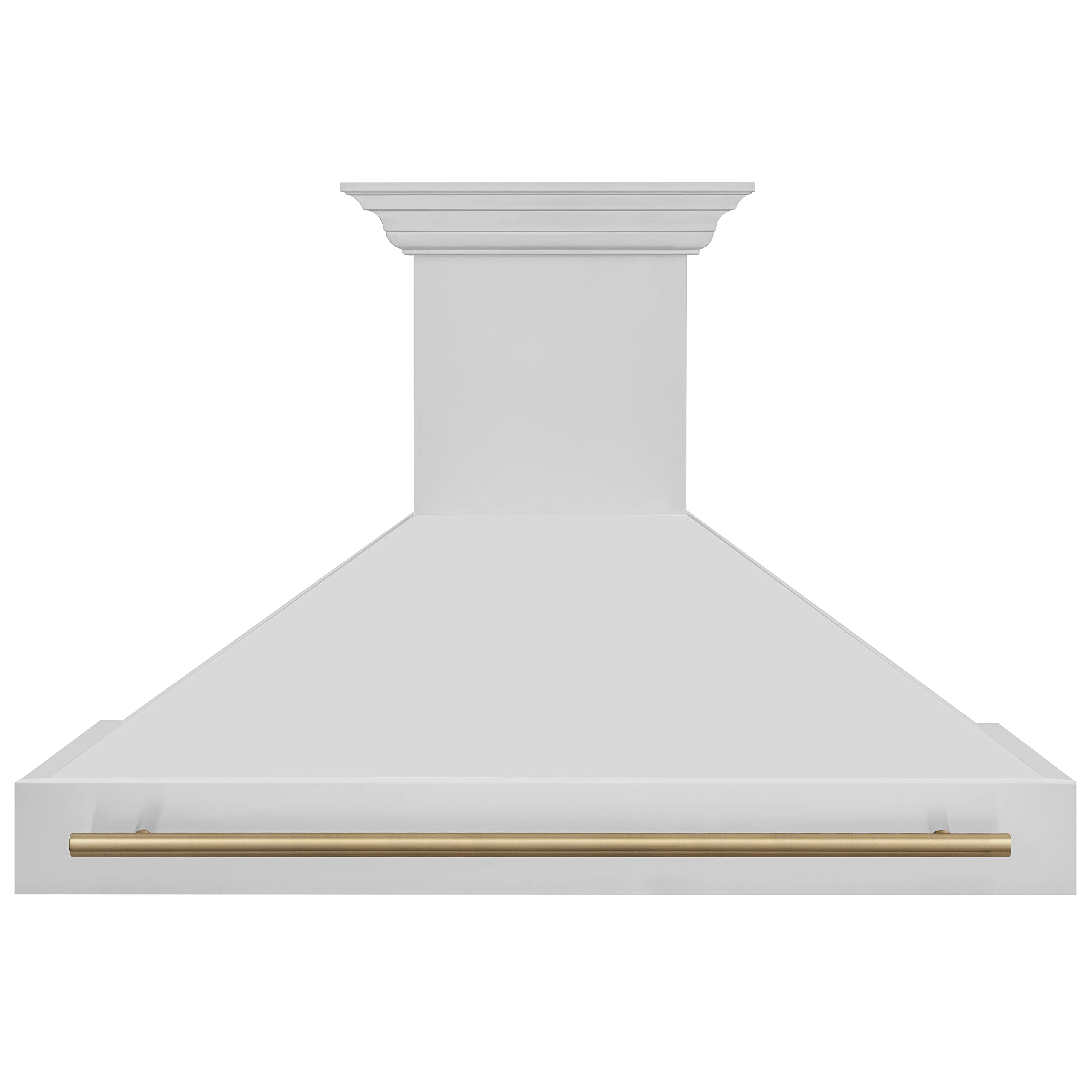
Choosing the right type of range hoods involves understanding your kitchen’s needs, common mistakes to avoid, key features to compare, and maintenance.
Choosing the right type of range hood can be a daunting task. With so many options available in terms of design, functionality, and price point, it’s easy for homeowners to feel overwhelmed when making this important decision. The challenge lies not only in identifying your specific kitchen needs but also in distinguishing between marketing hype and genuine product benefits.
Why Choosing This Type of Range Hoods is Difficult
The difficulty stems from the sheer variety available on the market today. Each range hood offers unique features such as different ventilation methods (ducted or ductless), materials, noise levels, and cleaning requirements. Additionally, aesthetic preferences play a significant role in selection, making it hard to find a model that perfectly matches both functional needs and personal style.
Common Buyer Mistakes
One common mistake is focusing solely on the range hood’s appearance without considering its performance capabilities. Another frequent error is overlooking maintenance aspects such as ease of cleaning or durability over time. Buyers often underestimate how much air flow they need based on their cooking habits, leading to dissatisfaction with their purchase later down the line.
Key Features Buyers Should Compare
When shopping for a new range hood, it’s crucial to compare several key features:
CFM (Cubic Feet per Minute): This measures airflow capacity and is essential in determining how effectively your kitchen will be ventilated.
Noise Level: Quieter models are preferable if you cook frequently or have an open-concept layout where noise carries easily.
Ducting Requirements: Ducted range hoods vent directly outside, while ductless (recirculating) units clean the air and return it to your kitchen. Each has its pros and cons depending on installation constraints.
Real-world Use Experience and Expectations
In real-world scenarios, users often find that their initial expectations about a range hood’s performance don’t always match reality due to factors like improper sizing or inadequate ducting setup. For instance, a smaller unit might struggle with high-heat cooking methods common in professional-style ranges.
Where This Product Fits (Strengths & Weaknesses)
Range hoods are best suited for kitchens that prioritize both style and functionality. They excel at removing smoke, steam, grease, and odors from the air while adding to your kitchen’s aesthetic appeal. However, they may fall short if you have limited space or budget constraints.
Strengths
Effective Ventilation: Provides excellent airflow management.
Aesthetic Appeal: Enhances overall kitchen design.
Weaknesses
Installation Complexity: Can be challenging and costly to install properly.
Maintenance Needs: Regular cleaning is required for optimal performance.
Who Should Avoid This Product
Homeowners with tight budgets or those who frequently move might want to consider alternative solutions such as portable fans. Similarly, individuals living in apartments without proper ducting infrastructure should explore recirculating models instead of traditional vented options.
Comparison With Alternative Options in the Same Category
When compared to alternatives like wall-mounted exhaust fans or standalone hood systems, range hoods generally offer superior performance but at a higher cost and with greater installation requirements. Portable units are more flexible yet less effective for heavy cooking tasks.
Maintenance and Long-term Considerations
Regular maintenance is crucial for keeping your range hood running efficiently over time. This includes cleaning filters regularly to prevent clogging and ensuring proper ventilation paths remain unobstructed.
Cleaning Tips:
Filter Care: Washable metal or disposable paper filters should be cleaned according to manufacturer guidelines.
Surface Maintenance: Wipe down surfaces with mild detergent for easy upkeep.
Frequently Asked Questions
How do I choose between a ducted and recirculating range hood?
Consider your kitchen layout, local building codes, and ventilation needs when deciding. Ducted models are generally more effective but require proper installation outside the home.
What CFM rating should I look for in my new range hood?
The ideal CFM depends on stove size and cooking habits; typically larger stoves or frequent high-heat use necessitate higher ratings (e.g., 400+ CFM).
Is it worth investing in a quieter model if noise isn’t an issue now?
While not essential, quieter models enhance overall kitchen experience by reducing background noise during preparation.
Final Neutral Thoughts
Selecting the right range hood involves balancing practical needs with personal preferences. By carefully considering factors like ventilation requirements and maintenance demands alongside aesthetic choices, you can make an informed decision that enhances both your cooking environment and home decor.