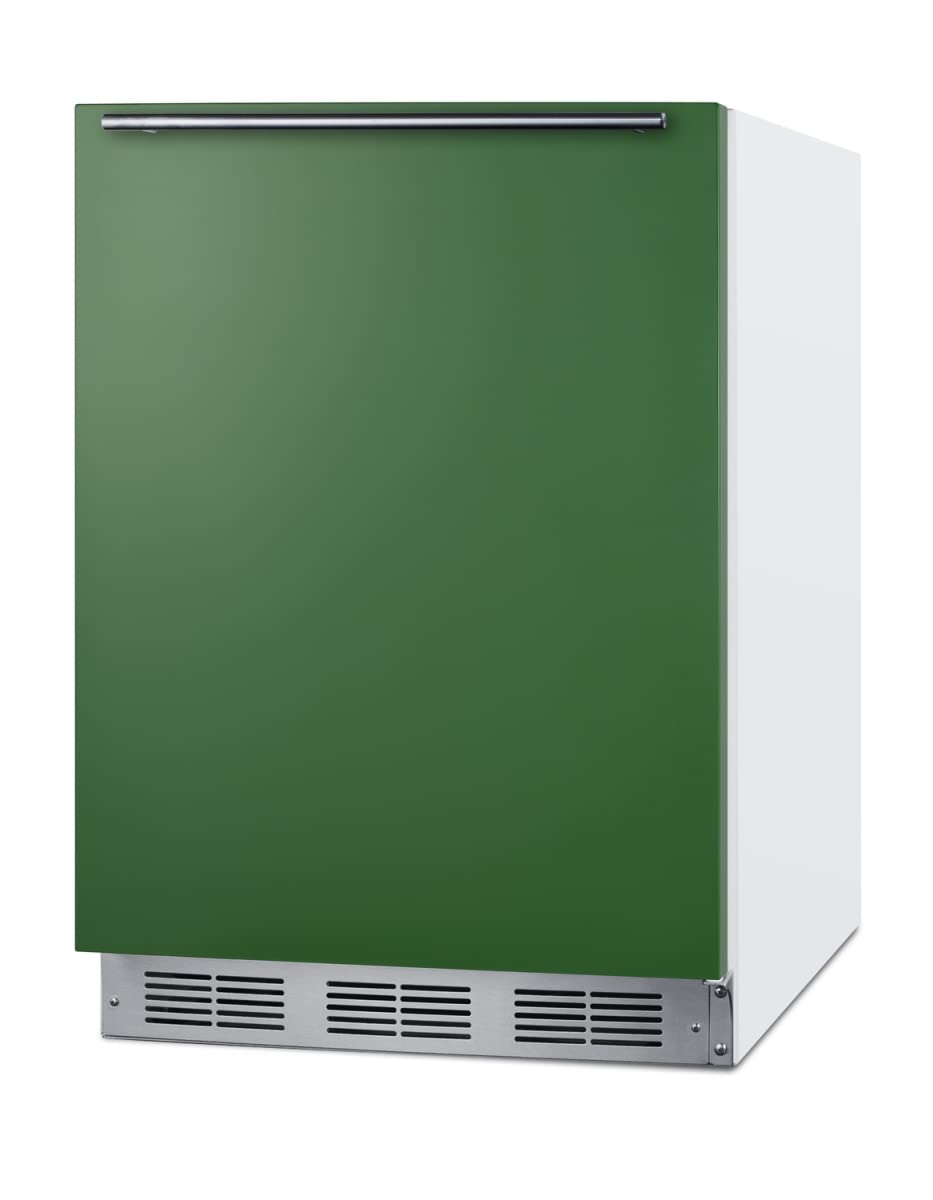
Choosing refrigerators involves understanding your needs and comparing features; this guide helps navigate through common mistakes and considerations.
Choosing the right type of refrigerators can be a daunting task, given the variety in sizes, styles, and functionalities available on the market. Each model promises to meet specific requirements but often leaves buyers overwhelmed with options. This article aims to simplify your decision-making process by highlighting key factors that should influence your choice when selecting refrigerators.
Why Choosing this Type of Refrigerators is Difficult
The difficulty lies in balancing features like capacity, energy efficiency, and design preferences while staying within budget constraints. Buyers frequently make the mistake of prioritizing aesthetics over functionality or vice versa, leading to dissatisfaction with their purchase later on. Understanding your actual needs versus what marketing suggests you need is crucial.
Common Buyer Mistakes
One common pitfall is not considering how much space a refrigerator will occupy in terms of both floor area and ceiling height. Another frequent error involves overlooking the importance of energy efficiency ratings when comparing models, which can significantly impact long-term costs. Lastly, many buyers underestimate maintenance requirements and accessibility features like door swing clearance.
Key Features Buyers Should Compare
When shopping for refrigerators, it’s essential to compare key aspects such as cooling technology (e.g., automatic defrost vs manual), interior layout flexibility (adjustable shelves/drawers), energy consumption ratings, noise levels during operation, and warranty terms. These factors directly influence usability and long-term expenses.
Real-World Use Experience and Expectations
In real-world scenarios, users often find that features like hidden evaporators contribute to a cleaner look but may require more frequent professional servicing due to reduced accessibility for cleaning purposes. Similarly, adjustable thermostats offer convenience in managing food preservation needs across seasons or dietary changes within households.
Where This Product Fits (Strengths & Weaknesses)
A refrigerator designed with an ADA-compliant design offers enhanced usability and safety features such as lower door handles and wider openings suitable for individuals requiring assistive devices. However, these models might come at a higher price point compared to standard units without compromising on core functionalities like cooling performance or energy efficiency.
Who Should Avoid This Product
Individuals living in small apartments with limited space would likely benefit more from compact under-counter refrigerators rather than full-sized ADA compliant designs due to practicality concerns regarding installation and daily use convenience. Additionally, those prioritizing affordability over advanced accessibility features might find other options better suited for their needs.
Comparison With Alternative Options In The Same Category
When comparing against similar models in the market, consider factors like brand reputation, customer reviews focusing on reliability and durability under various conditions (e.g., high humidity environments). For instance, some brands may offer comparable ADA compliance at lower price points while others might excel in energy-saving technologies beneficial for larger households.
Maintenance And Long-Term Considerations
Regular maintenance includes cleaning condenser coils annually to ensure optimal performance. Additionally, keeping door seals properly lubricated and free from debris helps maintain efficiency over time. Considering long-term costs involves evaluating initial investment versus expected utility bills savings through efficient operation throughout the appliance’s lifespan.
Is It Worth Investing in an ADA-Compliant Refrigerator?
For individuals requiring accessibility features due to physical limitations or living arrangements accommodating diverse needs, investing in such a model ensures comfort and safety without compromising on quality of life. However, for general households not facing these challenges, standard models might suffice better financially while still meeting daily requirements.
How Do I Determine the Right Size for My Kitchen?
Measuring available space accurately before shopping is crucial to avoid overestimating or underestimating capacity needs based solely on visual impressions during online browsing sessions. Utilizing manufacturer-provided dimensions and layout diagrams helps in making informed decisions regarding fitment within existing kitchen designs.
What Are Some Key Differences Between Manual Defrost vs Automatic Defrost Refrigerators?
Automatic defrost models automatically manage ice build-up, reducing user intervention but potentially increasing energy consumption slightly compared to manual systems where users periodically need to clear frost manually. The choice depends on personal preference balancing convenience against operational costs and maintenance frequency.
Final Neutral Thoughts
Ultimately, selecting the right type of refrigerators involves aligning product specifications closely with individual household requirements rather than being swayed by superficial attributes alone. By carefully weighing pros and cons associated with different models available in today’s market, consumers can make well-informed choices that enhance both functionality and satisfaction levels over extended periods.