Choosing a slow cooker involves understanding your cooking needs, common mistakes to avoid, and key features like size and programmability.
Choosing the right type of slow cookers can be challenging due to the variety available in terms of capacity, heating elements, and additional features. Each model caters to different user preferences and lifestyles, making it essential for buyers to carefully evaluate their needs before purchasing. This article aims to guide you through the process by highlighting common pitfalls and key factors to consider when selecting a slow cooker.
Why Choosing this Type of Slow Cooker is Difficult
The primary challenge in choosing a slow cooker lies in its versatility. While they are excellent for preparing hearty stews, soups, and roasts, their utility extends beyond just cooking meals. Some models come with additional features like programmability or digital displays that cater to specific user needs but may not be necessary for everyone.
Common Buyer Mistakes
A common mistake is overlooking the slow cooker’s capacity relative to household size. A 3-quart model might suffice for a single person, whereas a larger family would need at least a 6-quart version. Another frequent error is prioritizing aesthetic design over functionality and durability.
Key Features Buyers Should Compare
When shopping for slow cookers, it’s crucial to compare features such as the size of the cooking pot, heating element placement (bottom-only or all-around), programmability options, and material quality. These factors significantly impact performance and ease of use.
Size Matters
The capacity should match your household’s meal requirements. A larger cooker is more versatile but may not be practical for smaller households.
Heating Element Placement
Bottom-heating elements are sufficient for most recipes, while all-around heating ensures even cooking in thick stews or soups.
Real-World Use Experience and Expectations
In real-world scenarios, a well-chosen slow cooker simplifies meal preparation by allowing ingredients to cook slowly over several hours without constant supervision. However, users must set realistic expectations regarding the time required for thorough cooking and flavor development.
Time Management
Understanding that recipes often require 6-8 hours of unattended cooking is crucial for effective planning.
Where This Product Fits (Strengths & Weaknesses)
A slow cooker excels in preparing meals with rich flavors developed through long, slow cooking processes. It’s ideal for busy individuals or families who value convenience and ease of preparation but may struggle if they need quick meal solutions due to its lengthy cooking times.
Strengths
Versatile for various recipes.
Requires minimal effort once set up.
Keeps food warm until ready to serve.
Weaknesses
Not suitable for last-minute meals or rapid heating needs.
Limited in terms of direct heat control compared to stovetops.
Who Should Avoid This Product
Individuals who frequently cook quick, high-temp dishes like stir-fries should consider other kitchen appliances such as a rice cooker or pressure cooker. Those with limited counter space might find large slow cookers impractical due to their size and lack of versatility in countertop use.
Not Suitable For
Quick meal preparation.
Small kitchens without ample storage space.
Comparison With Alternative Options
When compared to other kitchen appliances, slow cookers offer unique advantages but also have limitations. A pressure cooker can prepare meals faster but lacks the slow-cooking benefits that enhance flavor development in stews and soups. Conversely, a rice cooker is more specialized for its primary function of cooking grains.
Versus Pressure Cooker
Faster cooking times.
Less flavor enhancement compared to long-simmering methods.
Versus Rice Cooker
More versatile with various recipes beyond just rice dishes.
Limited in direct heat control and rapid meal preparation capabilities.
Maintenance and Long-Term Considerations
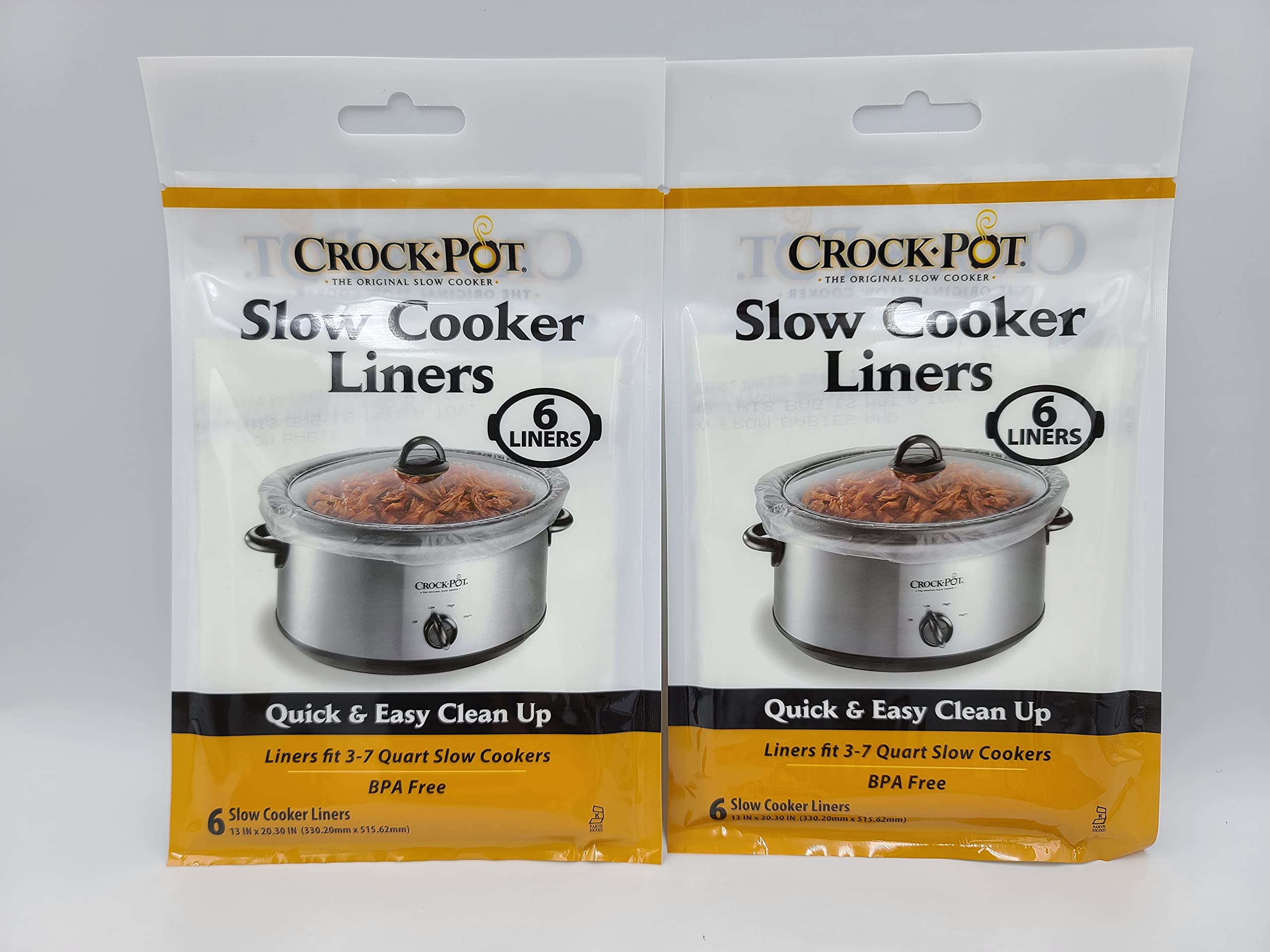
Maintaining a slow cooker involves regular cleaning of the pot, ensuring it remains free from stains that can affect food quality. Over time, users should also assess whether their current model meets ongoing needs or if an upgrade is necessary to accommodate changing dietary habits or household sizes.
Cleaning Tips
Wash removable parts in warm soapy water.
Avoid abrasive cleaners on non-stick surfaces.
Frequently Asked Questions
How Do I Choose the Right Size Slow Cooker?
Consider your household size and meal requirements. A larger cooker (6+ quarts) is better for families, while a smaller one suits single individuals or couples.
What Are the Benefits of All-Around Heating Elements Over Bottom-Only Heaters?
All-around heating ensures even cooking in thick stews and soups by distributing heat more evenly throughout the pot.
Is It Worth Buying if I Only Use it Occasionally?
If you use your slow cooker infrequently, consider its versatility for various recipes to justify the purchase. Otherwise, a multi-functional appliance might be more practical.
Final Neutral Thoughts
Choosing the right slow cookers involves balancing functionality with personal needs and kitchen space constraints. By understanding key features and potential drawbacks, buyers can make informed decisions that enhance their cooking experience without unnecessary complications or costs.