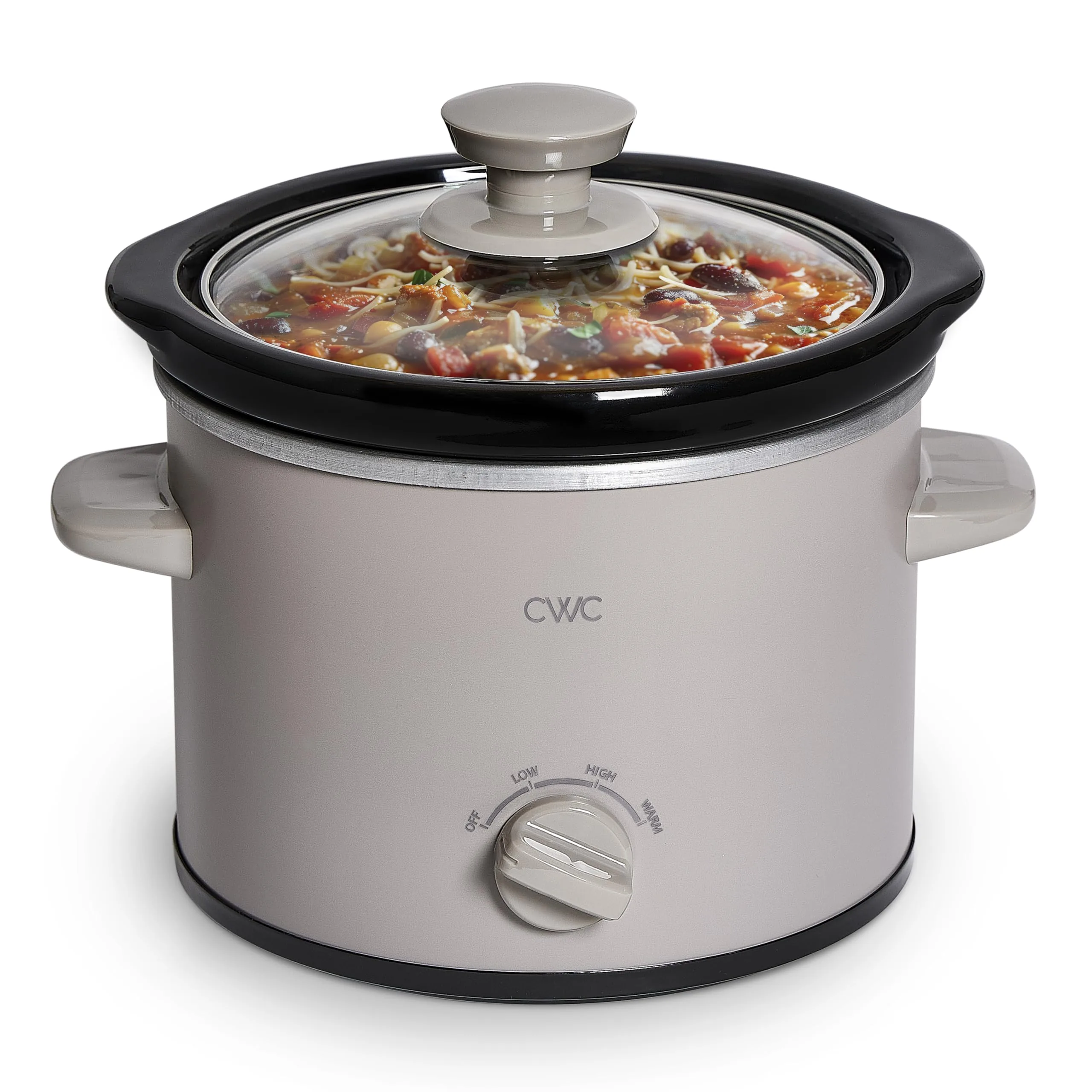
Choosing the right slow cooker involves understanding your cooking needs and comparing key features like size, settings, and ease of use.
Choosing the right type of slow cookers can be a daunting task due to the variety available in terms of capacity, heating options, and additional features. The market is flooded with models ranging from basic single-pot units to advanced multi-functional appliances that also serve as rice cookers or yogurt makers. This diversity makes it challenging for buyers to pinpoint which model suits their specific requirements.
Why Choosing this Type of Slow Cookers Is Difficult
The primary challenge in selecting a slow cooker lies in balancing functionality with budget constraints and kitchen space limitations. For instance, while larger models offer more versatility for family meals or batch cooking, they may not fit well on smaller countertops. Additionally, the plethora of features such as programmable timers, digital displays, and multiple heat settings can be overwhelming to navigate without clear understanding.
Common Buyer Mistakes
One common mistake is purchasing a slow cooker based solely on brand reputation rather than specific needs. Another frequent error is overlooking maintenance requirements like dishwasher compatibility for parts or ease of cleaning after use. It’s also crucial not to underestimate the importance of safety features, such as cool-touch handles and secure lids.
Key Features Buyers Should Compare
When shopping for slow cookers, it’s essential to compare several key attributes:
Capacity: Ensure that the cooker fits your family size and cooking habits.
Settings & Controls: Look for programmable timers and adjustable heat settings if you need flexibility in meal preparation times.
Material Quality: Check whether components are durable, such as stoneware pots or tempered glass lids.
Cleaning Convenience: Assess dishwasher compatibility of removable parts to save time.
Real-world Use Experience and Expectations
In practical use, slow cookers excel at tenderizing tough cuts of meat over long cooking periods without constant supervision. They also maintain even heat distribution throughout the pot, ensuring consistent flavors in soups or stews. However, users often find that smaller models might struggle with larger recipes requiring more liquid.
Where This Product Fits (Strengths & Weaknesses)
The COOK WITH COLOR 2QT Mini Electric Round Slow Cooker is ideal for individuals living alone or couples looking to prepare small portions efficiently. Its compact size makes it perfect for dorm rooms, apartments, and office kitchens where space is limited but cooking needs are present.
However, its smaller capacity means that those planning large family meals will likely need a larger model capable of handling bigger batches simultaneously.
Who Should Avoid This Product
Those with extensive meal prep requirements or who frequently entertain guests should opt for models offering greater flexibility in terms of size and features. Similarly, individuals prioritizing advanced functionalities like sous vide cooking might find this basic unit lacking compared to more sophisticated appliances.
Comparison With Alternative Options in the Same Category
When considering alternatives within the slow cooker category, potential buyers may look at multi-functional cookers that combine pressure cooking with traditional slow-cooking capabilities. These models often provide additional versatility but come at a higher price point and require learning new techniques for optimal use.
Another option is to explore countertop ovens or air fryers which offer quick meal preparation without the long cooking times associated with standard slow cookers. However, these appliances typically lack the ability to tenderize meat over extended periods as effectively as dedicated slow cooker units do.
Maintenance and Long-term Considerations
Maintaining a slow cooker involves regular cleaning of removable parts like pots and lids after each use. Ensuring that all components are dishwasher safe can significantly simplify this process, reducing wear on hands from scrubbing tough stains manually. Additionally, checking for signs of wear or damage during routine maintenance helps extend the appliance’s lifespan.
Frequently Asked Questions
How do I choose between a small slow cooker and a large one?
Choosing depends largely on your household size and cooking habits. Smaller units are better suited for individuals living alone or couples preparing meals in tight spaces, whereas larger models cater to families needing more substantial portions regularly.
What should I look out for when buying my first slow cooker?
Focus initially on basic features such as easy-to-clean materials (like stoneware pots) and simple controls. As you gain experience with cooking techniques using a slow cooker, consider upgrading to units offering programmable timers or additional functionalities like yogurt making.
Is it worth investing in an expensive multi-functional model over a standard slow cooker?
This depends on your specific needs beyond just slow-cooking capabilities. If you frequently prepare meals requiring pressure cooking, steaming vegetables, or baking breads and cakes, then the added versatility might justify the higher cost. Otherwise, sticking with a reliable single-purpose slow cooker could be more economical.
Final Neutral Thoughts
Selecting the right type of slow cookers requires careful consideration of your unique requirements regarding capacity, features needed, ease-of-use factors like cleaning convenience, and long-term maintenance aspects. By understanding these elements thoroughly before making any purchase decision, you can ensure that whatever model ends up in your kitchen will serve its intended purpose effectively while fitting seamlessly into daily routines.